

Tartar (also called dental calculus) is the hardened form of plaque. Once plaque mineralizes it becomes tough, sticky, and firmly attached to tooth enamel or under the gumline. While only a dental professional can fully remove heavy tartar buildup, there are several home methods and preventive practices that can help you reduce, soften, or prevent tartar, keeping your teeth healthier in between dental visits.
In this blog post, we’ll explore:
- What tartar is and why it’s hard to remove
- What you can do at home
- Natural remedies and safe tools
- What you should never do
- Prevention habits
- When to see a professional
1. What Is Tartar & Why It’s Difficult to Remove
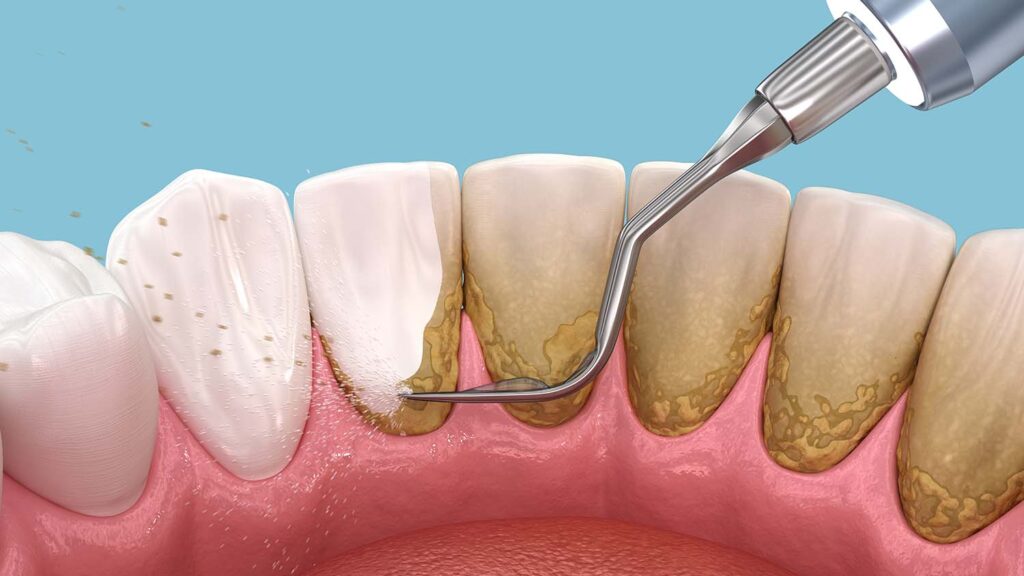
- Plaque vs Tartar: Plaque is a soft, sticky film of bacteria and food debris that forms on teeth. If plaque is not removed regularly (by brushing/flossing), minerals in saliva cause it to harden into tartar.
- Where it forms: Above the gumline (supragingival) and below (subgingival). Below the gumline is especially difficult to treat at home.
- Risks: Tartar can lead to gum inflammation (gingivitis), bad breath, cavities, periodontal disease, and aesthetic discoloration.
Because tartar is hard and calcified, a regular toothbrush cannot remove mature tartar. Only early-stage deposits of plaque (before calcification) are manageable by routine hygiene.
2. What You Can Do at Home — With Caution
While you can’t always remove thick or deep tartar at home, you can reduce it, prevent more buildup, and soften what’s there. Here are safe, dentist-recommended methods.
| Method | What it does / How it helps |
|---|---|
| Brushing properly with a fluoride-toothpaste | Use a soft-bristle brush; angle 45° at the gumline; brush twice a day for 2 minutes. Fluoride strengthens enamel and helps prevent plaque from hardening. |
| Flossing or interdental cleaning daily | Reaches places toothbrushes don’t — between teeth and under gum edges. Helps reduce plaque before it forms tartar. |
| Mouthwash / Antiseptic rinses | Using mouthwashes with antimicrobial/antiseptic properties reduces bacteria that contribute to plaque formation. |
| Tartar-control toothpaste / rinses | Products containing pyrophosphates, zinc citrate, or specific enzymes can help prevent tartar formation. They are not magic erasers, but they help slow and reduce buildup. |
3. Natural Remedies & Safe Tools
Here are several natural/“DIY” remedies and tools that people use. These should be used with care; overuse or misuse can damage enamel or irritate gums. Always test on a small area, be gentle, and monitor your reaction.
A. Baking Soda
- Mix a small amount of baking soda with water to form a paste. Brush gently with it once or twice per week. Helps neutralize acids and has mild abrasive properties to reduce plaque.
- Be wary: Too frequent or too rough use can wear enamel or cause sensitivity.
B. Hydrogen Peroxide
- Use a low-concentration (3%) solution diluted with water (equal parts). Swish for ~30 seconds, then rinse. This may help kill bacteria and help loosen plaque before it turns to tartar.
- Don’t swallow; avoid overuse. Overuse can irritate soft tissues.
C. Oil Pulling
- Swish a tablespoon of coconut oil (or another edible oil) in your mouth for 10-20 minutes, ideally on an empty stomach. Spit out and rinse, then brush. It is claimed to reduce bacteria and plaque accumulation.
D. Vinegar & Salt Rinses
- Warm water mixed with white vinegar and a pinch of salt can serve as antibacterial rinses. The acidity can help soften tartar edges, but overuse risks damaging enamel. Limit frequency.
E. Orange Peels / Vitamin C Sources
- Rub the inside of an orange peel directly on teeth, or mash peels and mix with water or baking soda to form a paste. The vitamin C and natural acids have antimicrobial effects.
F. Safe Tools (Used Carefully)
- Some home kits include small scrapers or dental tools. If using them:
- Ensure tools are sanitized.
- Use only on visible tartar above the gumline.
- Be extremely gentle; avoid damaging enamel or gums.
- Prefer tools under guidance or after watching reputable videos/demonstrations.
- Many dental professionals warn of risk if untrained individuals try heavy scraping: you may damage enamel, gum tissue, or even push tartar deeper.
4. What You Should Never Do
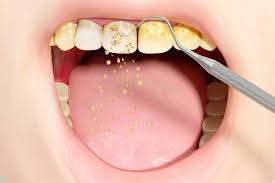
To protect your dental health, avoid:
- DIY deep scaling below the gum line using sharp or unsterilized tools
- Overuse of acidic ingredients (e.g. lemon juice straight, undiluted vinegar) which can erode enamel
- Brushing too hard or using hard-bristle brushes frequently, which can damage gums and tooth enamel
- Ignoring irritation, pain, or bleeding — signs that you may be doing damage
5. Preventive Habits to Keep Tartar at Bay
Prevention is much easier and safer than removal. Here are habits to adopt:
- Brush twice daily, floss daily. If possible, brush after meals.
- Use a soft-bristle toothbrush and replace it every 3-4 months.
- Use fluoride toothpaste, tartar-control toothpaste, or mouthwashes with antibacterial/anti-plaque ingredients.
- Limit sugary, starchy, sticky foods. Reduce beverages that stain (coffee, tea, red wine) unless you rinse or brush afterward.
- Stay hydrated — saliva helps naturally wash away food debris and bacteria.
- Chew sugarless gum after meals to stimulate saliva.
- Visit a dentist for professional cleanings at least twice a year (or more often if you have predisposition).
6. When Home Doesn’t Cut It — Time to See a Professional
Even with perfect home care, some tartar will likely remain, especially below the gumline or in hard-to-reach areas. A dentist or dental hygienist uses professional tools (ultrasonic scalers, curettes) to remove hardened tartar safely.
If you notice any of the following symptoms, schedule a dental appointment:
- Gums that bleed regularly
- Persistent bad breath
- Gum recession or sensitivity
- Discoloration that doesn’t improve with brushing or whitening
7. Integrating Home Remedies With Professional-Grade Products
For people who want stronger results at home, combining natural remedies with quality dental products can help. For example:
- Use baking soda paste or vinegar rinses a couple of times per week
- On other days, use a tartar-control toothpaste + mouthwash
- Consider dental floss, interdental brushes, or water flossers to reach between teeth
- Try to keep a consistent routine rather than seeking quick fixes
Linking to Further Resources & Your Oral Health Routine
For more detailed tips, products, or treatments related to skin and smile health, you can visit Smile & Skin Co. where you’ll find advice not only on dental hygiene but how teeth and skin care often go hand in hand.
Sample At-Home Routine to Try (Weekly Plan)
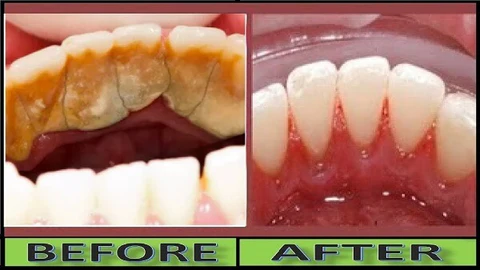
Here’s a sample routine combining many of the above methods. Adjust according to your comfort level and sensitivity.
| Day | Morning | Evening | Extras / Once-a-Week |
|---|---|---|---|
| Mon | Brush with fluoride toothpaste | Floss + brush; rinse with mouthwash | Baking soda paste (once) |
| Tue | Brush + mouthwash | Floss + brush | Oil pulling session (10-15 min) |
| Wed | Brush + tongue scraping | Floss + brush | Orange peel rub or vitamin C paste |
| Thu | Brush + mouthwash | Floss + brush | Vinegar & salt rinse (gentle) |
| Fri | Brush + toothpaste with tartar control | Floss + brush | Skip abrasive methods if sensitivity noticed |
| Sat | Brush (possibly with baking soda blend) | Floss deeply + brush | Full soft routine; gentle caring |
| Sun | Brush + rest (gentler) | Floss + brush | Evaluate: if any discomfort or signs of damage, rest the harsh methods |
8. Bottom Line
- You cannot safely remove all tartar—especially hardened or subgingival tartar—without professional dental tools.
- But you can significantly reduce new buildup, soften mild tartar, and maintain good oral health with home remedies + proper hygiene.
- Natural methods (baking soda, oil pulling, vinegar rinses, etc.) are helpful only when used carefully and combined with strong daily habits.
- For best long-term results, use a hybrid approach: home care + regular dental checkups/cleanings.

 and Innovation by