
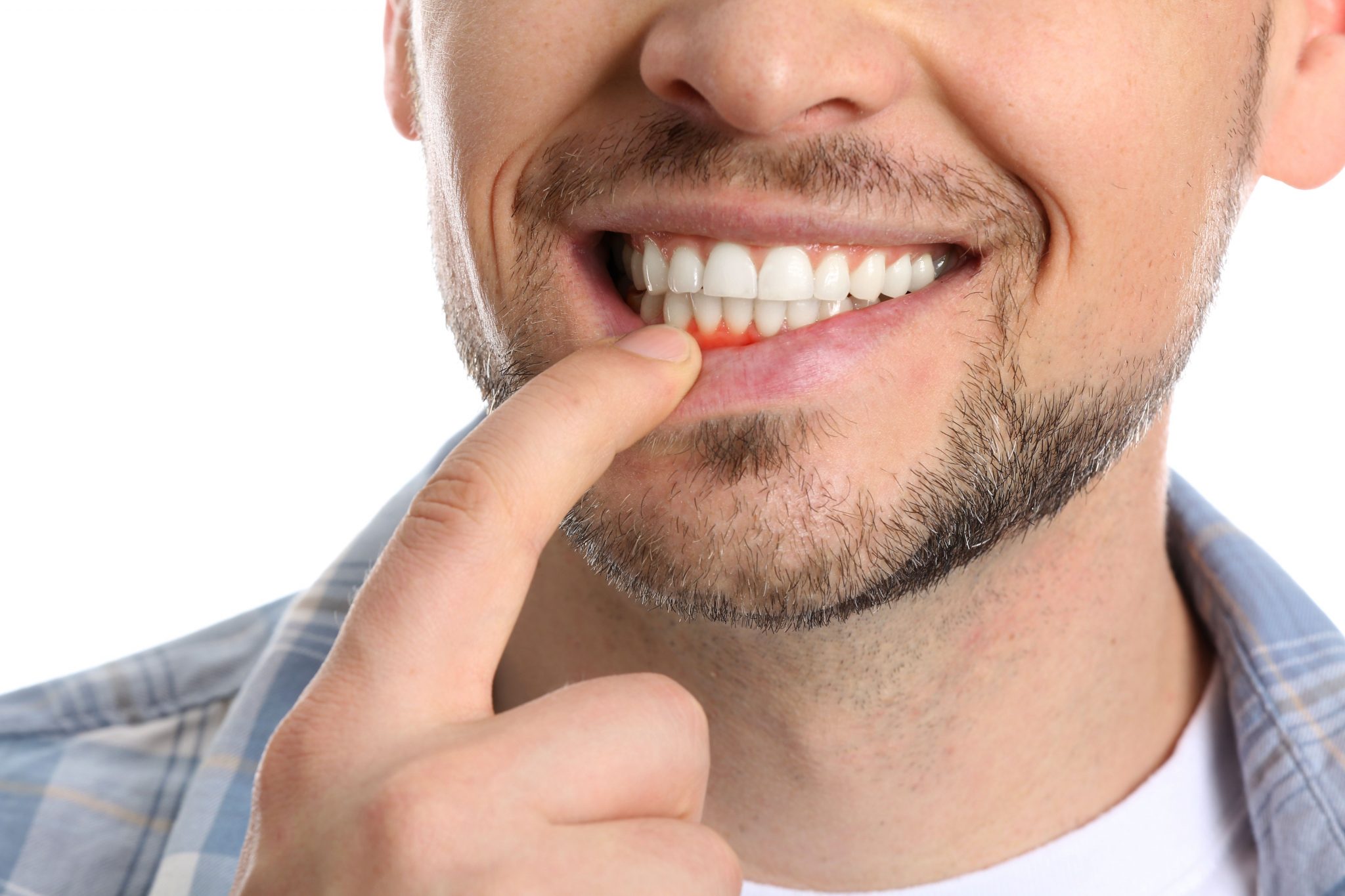
Cavities are among the most common dental problems, but many people are unsure what actually happens when tooth decay begins. A common question is: Can a cavity heal on its own, or will it always need a filling? The answer depends on how early the decay is detected. Very early tooth decay may sometimes be slowed or partially reversed before a physical hole forms in the tooth. However, once decay has progressed far enough to create a true cavity, the damaged tooth structure cannot grow back on its own. At that stage, a dental filling or another form of restorative treatment may be necessary. Understanding the difference between early enamel damage and an established cavity can help you know when to improve your oral care and when it is time to visit a dentist. What Is a Cavity? A cavity is an area of permanent damage in the hard structure of a tooth. Tooth decay usually begins when bacteria in the mouth interact with sugars and carbohydrates from food and drinks. These bacteria produce acids that can gradually weaken the tooth’s outer surface, known as enamel. If this process continues, the enamel may break down. At first, the damage may only involve mineral loss from the enamel. If the process is not controlled, decay may progress deeper into the tooth and form a visible or hidden hole. This hole is what most people commonly refer to as a cavity. Can a Cavity Heal by Itself? A fully developed cavity cannot heal itself. Teeth do not regenerate lost enamel or dentin in the same way that skin can heal after a cut. However, there is an important difference between early tooth decay and a true cavity. In the earliest stage of decay, minerals may begin leaving the enamel before a hole develops. This process is known as demineralization. At this stage, the enamel may sometimes become stronger again through a process called remineralization. Once the enamel surface has physically broken down and a cavity has formed, however, the missing tooth structure cannot naturally rebuild itself. What Is Remineralization? Remineralization is the process in which minerals are redeposited into weakened tooth enamel. Saliva naturally contains minerals such as calcium and phosphate that help protect teeth. Fluoride can also help strengthen enamel and make it more resistant to acid attacks. Early enamel damage may sometimes be controlled through measures such as: These measures can help reduce further mineral loss and support enamel strength. However, remineralization only applies to very early decay before the tooth structure has collapsed. What Does an Early Cavity Look Like? Early tooth decay does not always cause pain. In fact, many cavities are discovered during routine dental examinations before the patient notices any symptoms. One possible early sign is a chalky or white spot on the tooth surface. This can indicate that minerals have been lost from the enamel. Other possible signs of developing decay include: Not every white, brown, or dark area is necessarily a cavity, so a dentist should examine the tooth to determine the cause. Why Do Cavities Get Worse? A cavity can continue growing when the factors causing decay remain present. Frequent exposure to sugar is particularly important. Each time bacteria in dental plaque are exposed to sugar, they can produce acids that attack tooth enamel. If these acid attacks happen repeatedly throughout the day, the tooth may not have enough time to recover. Poor oral hygiene can also allow plaque to remain on the teeth for longer periods. Without treatment, decay may gradually move through different layers of the tooth. What Happens If You Ignore a Cavity? A small cavity may not cause noticeable symptoms at first. This can lead some people to delay visiting a dentist. Unfortunately, tooth decay does not usually stop once a true cavity has developed unless the affected area is treated and the risk factors are controlled. As decay progresses, it may move from the enamel into the softer layer underneath, called dentin. At this stage, sensitivity may become more noticeable. If the decay reaches the inner part of the tooth where the nerves and blood vessels are located, symptoms may become more serious. These can include: Advanced decay may require more extensive treatment than a simple filling. When Do You Need a Dental Filling? A filling is usually recommended when decay has created a physical cavity but the tooth can still be restored without more extensive treatment. During a filling procedure, the dentist removes the decayed portion of the tooth and replaces the damaged area with a restorative material. The goal is to stop the decay from progressing and restore the shape and function of the tooth. You may need a filling if: The sooner a cavity is treated, the more tooth structure can often be preserved. Does Every Cavity Need a Filling? Not every early area of tooth decay requires immediate drilling and filling. If the dentist detects enamel demineralization before a cavity has formed, the area may sometimes be monitored and managed with preventive treatment. This may include: Your dentist may recommend follow-up examinations to check whether the area remains stable or progresses. Once there is permanent structural damage, a filling is usually more likely to be needed. What Happens During a Dental Filling? A filling procedure is generally straightforward. First, the dentist examines the tooth and determines the extent of decay. Local anesthesia may be used to numb the area, particularly when the cavity is deeper. The decayed tooth material is then carefully removed. The area is cleaned and prepared before the restorative material is placed. The filling is shaped to match the tooth and adjusted so that your bite feels comfortable. Depending on the type of filling material, it may then be hardened and polished. What Types of Fillings Are Available? Several materials can be used to restore cavities. One commonly used option is composite resin. Composite fillings are tooth-colored and can be matched to the appearance of nearby teeth. Other restorative materials
Wisdom Tooth Removal in G-8 Islamabad: When Is Extraction Necessary?
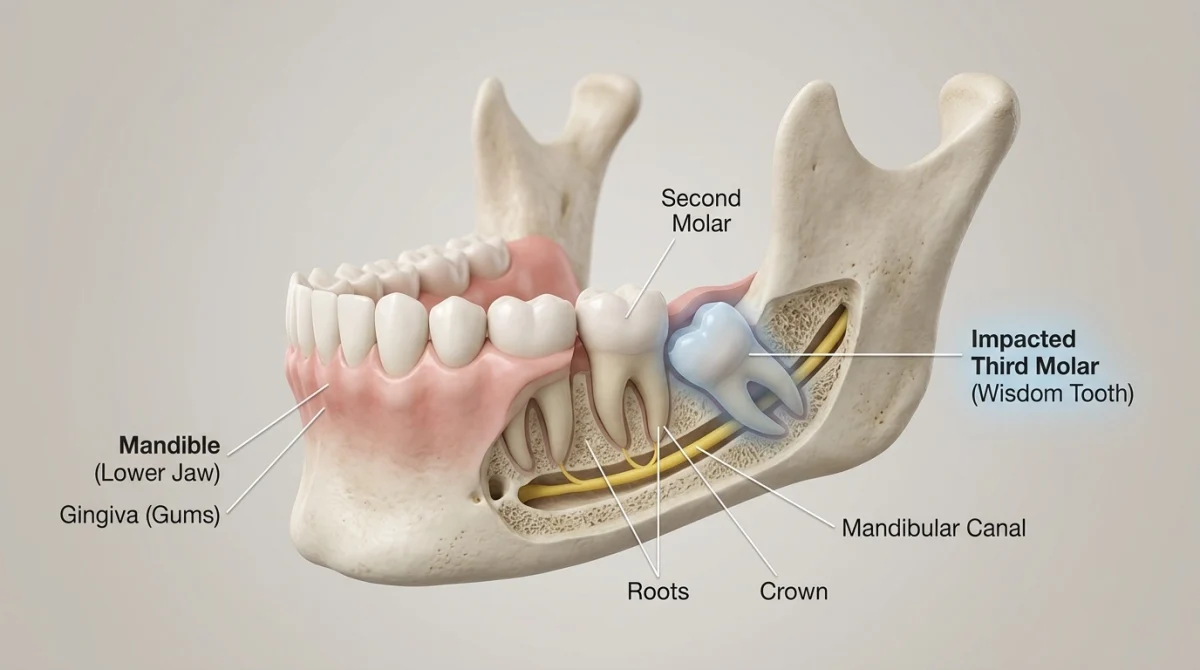
Wisdom teeth are the last adult teeth to appear in the mouth, usually emerging in the late teenage years or early adulthood. For some people, wisdom teeth erupt normally and never cause any problems. For others, there may not be enough space in the jaw for these teeth to grow properly. When a wisdom tooth becomes trapped, grows at an angle, causes repeated pain, or leads to infection, removal may be recommended. If you are considering wisdom tooth removal in G-8 Islamabad, it is useful to understand when extraction may be necessary, what symptoms to watch for, and what generally happens before and after the procedure. This guide explains the common reasons dentists recommend wisdom tooth extraction and what patients can expect during treatment. What Are Wisdom Teeth? Wisdom teeth are the third set of molars located at the very back of the mouth. Most adults can potentially develop four wisdom teeth: However, not everyone develops all four. Some people may have fewer wisdom teeth, while others may have wisdom teeth that remain completely beneath the gums. Because wisdom teeth appear later than other permanent teeth, there may not always be enough room available for them to erupt properly. What Is an Impacted Wisdom Tooth? An impacted wisdom tooth is one that cannot fully emerge into the mouth because it is blocked by gum tissue, bone, or another tooth. Wisdom teeth can become impacted in different positions. For example, a wisdom tooth may: Not every impacted wisdom tooth causes immediate symptoms. However, some can create dental problems over time. Does Every Wisdom Tooth Need to Be Removed? No. Wisdom tooth removal is not automatically necessary simply because a wisdom tooth is present. If the tooth has erupted normally, is healthy, can be cleaned properly, and is not affecting neighboring teeth or gums, your dentist may recommend monitoring it rather than removing it. Extraction is usually considered when the wisdom tooth is causing problems or when there is a significant risk of complications. A dental examination and, when needed, an X-ray can help determine the position of the tooth and whether treatment is necessary. When Is Wisdom Tooth Extraction Necessary? There are several situations in which a dentist may recommend wisdom tooth removal. 1. Repeated Pain Pain at the back of the mouth is one of the most common reasons patients seek treatment for wisdom teeth. Pain may be caused by: Occasional mild discomfort does not always mean a tooth must be removed, but repeated or worsening pain should be assessed by a dentist. 2. Infection Around a Partially Erupted Tooth A partially erupted wisdom tooth can create a flap of gum tissue where food and bacteria become trapped. This may lead to inflammation or infection around the tooth. This condition is often called pericoronitis. Possible symptoms include: If infection repeatedly returns, extraction may be recommended after the area has been assessed and treated appropriately. 3. Tooth Decay Wisdom teeth can be difficult to clean because of their position at the back of the mouth. If a wisdom tooth is partially erupted or angled awkwardly, brushing and flossing may be particularly difficult. This can increase the risk of tooth decay. If the tooth develops significant decay and cannot be restored predictably, removal may be considered. 4. Damage to the Tooth Next to It An impacted wisdom tooth may press against the second molar in front of it. This can make the area difficult to clean and may contribute to: Protecting the healthy neighboring molar is often an important part of wisdom tooth treatment planning. 5. Gum Disease Partially erupted wisdom teeth may create areas where plaque and bacteria collect. Over time, this may contribute to gum inflammation or deeper gum pockets around the wisdom tooth or nearby molar. If gum health is being affected, the dentist may discuss whether extraction is appropriate. 6. Cysts or Other Changes Around the Tooth In some cases, a fluid-filled sac known as a cyst may develop around an impacted wisdom tooth. Although this is less common than pain or infection, it can potentially affect the surrounding bone or nearby teeth. Dental imaging helps dentists identify these types of changes. What Are the Signs of a Problematic Wisdom Tooth? You should consider arranging a dental examination if you experience symptoms such as: These symptoms can have several possible causes, so a professional examination is needed to identify the actual problem. How Is a Wisdom Tooth Evaluated? If you visit a dentist for wisdom tooth removal in G-8 Islamabad, the first step is usually an examination. Your dentist may check: A dental X-ray may also be recommended. The X-ray can help show: This information is important when planning treatment. What Happens During Wisdom Tooth Removal? The exact procedure depends on whether the wisdom tooth is fully erupted or impacted. Simple Extraction If the wisdom tooth is fully visible and easily accessible, it may sometimes be removed using a relatively straightforward extraction procedure. The area is numbed with local anesthesia before the tooth is loosened and removed. Surgical Extraction If the tooth is impacted beneath the gum or bone, a surgical extraction may be required. The procedure may involve: The dentist or oral surgeon will decide the most suitable approach based on the position of the tooth. Is Wisdom Tooth Removal Painful? During the procedure, local anesthesia is normally used to numb the area. Patients may feel pressure or movement, but sharp pain should not normally be experienced while the area is adequately numb. After the extraction, some discomfort is expected as the tissues heal. Common temporary effects can include: Your dentist will provide instructions on pain relief and aftercare based on your specific situation. What Should You Expect After Extraction? After wisdom tooth removal, a blood clot forms in the extraction site. This clot is important because it protects the area and supports healing. Patients are usually advised to follow their dentist’s instructions carefully. General aftercare may include: Your dentist may provide more specific advice depending

Braces in G-8 Islamabad: Types, Treatment Time & What to Expect
Crooked, crowded, or unevenly spaced teeth can affect both the appearance of your smile and the way your teeth function. In some cases, problems with tooth alignment may also make brushing and flossing more difficult, increasing the chance of plaque building up in areas that are harder to clean. Orthodontic treatment can help improve the position of the teeth and, where appropriate, correct certain bite problems. Braces remain one of the most commonly used methods for gradually moving teeth into better alignment. If you are considering braces in G-8 Islamabad, you may have questions about the different types available, how long treatment takes, whether braces are uncomfortable, and what happens during appointments. This guide explains what you can generally expect before, during, and after orthodontic treatment. What Are Dental Braces? Dental braces are orthodontic appliances used to gradually move teeth into more suitable positions. Traditional braces usually consist of small brackets attached to the teeth and connected by an orthodontic wire. The wire applies controlled pressure, encouraging the teeth to move slowly over time. During treatment, adjustments are made periodically so that the teeth continue moving according to the treatment plan. Braces may be recommended for problems such as: The exact treatment required depends on your teeth, jaws, age, and the type of alignment problem present. Why Do People Get Braces? Many people first consider orthodontic treatment because they want a straighter smile. However, braces may offer benefits beyond appearance. Properly aligned teeth can sometimes be easier to brush and floss because there may be fewer difficult-to-reach overlapping areas. Correcting certain bite problems may also improve the way the upper and lower teeth meet during chewing. Orthodontic treatment is therefore often planned with both appearance and function in mind. What Types of Braces Are Available? Patients looking for braces in G-8 Islamabad may come across several orthodontic options. Not every type is appropriate for every patient, so your dentist or orthodontic provider will recommend treatment after examining your teeth and bite. 1. Traditional Metal Braces Metal braces are one of the most widely used orthodontic treatments. Small metal brackets are attached to the teeth and connected with an orthodontic wire. Adjustments are made at regular appointments to gradually guide the teeth toward their planned positions. Modern metal braces are generally smaller and more streamlined than older designs. They may be suitable for treating a wide range of orthodontic problems, including more complicated tooth movements. 2. Ceramic Braces Ceramic braces work in a similar way to traditional metal braces but use tooth-colored or clear brackets. Because the brackets are less noticeable, some patients prefer ceramic braces for cosmetic reasons. They may still use an orthodontic wire that can be visible, and patients need to clean carefully around the brackets to reduce plaque accumulation and staining. 3. Clear Aligners Clear aligners are removable trays designed to gradually move teeth. Rather than brackets and wires, patients wear a series of custom-made aligners. Each set is usually worn according to the treatment schedule recommended by the dentist or orthodontic provider. Clear aligners can be less noticeable than traditional braces and are removed for eating and oral hygiene. However, they require good patient compliance. If the aligners are not worn for the recommended amount of time, treatment may not progress as planned. They are also not appropriate for every orthodontic problem. Which Type of Braces Is Best? There is no single type of orthodontic treatment that is best for everyone. The right option depends on several factors, including: A professional orthodontic assessment is therefore important before choosing between metal braces, ceramic braces, or clear aligners. What Happens Before Getting Braces? Before orthodontic treatment begins, your dentist will usually evaluate your teeth and gums. The assessment may include: Existing dental problems may need to be treated before braces are fitted. For example, untreated tooth decay or significant gum problems should generally be addressed before beginning orthodontic treatment. The information gathered during the assessment is then used to create an individualized treatment plan. What Happens When Braces Are Fitted? If traditional braces are recommended, the teeth are cleaned and prepared before brackets are attached. An orthodontic wire is then placed through the brackets and secured. Getting braces fitted does not normally involve drilling into the teeth. The appointment may take some time because each bracket needs to be carefully positioned. After the braces have been fitted, your dentist or orthodontic provider will explain how to clean around them, which foods should be avoided, and when you need to return for follow-up appointments. Do Braces Hurt? Braces can cause temporary discomfort, particularly after they are first fitted or adjusted. You may notice: This discomfort usually occurs because controlled pressure is being applied to move the teeth. It often improves after the mouth adjusts. If a bracket breaks, a wire becomes loose, or you experience significant pain, contact your dental or orthodontic provider rather than attempting major adjustments yourself. How Long Does Braces Treatment Take? One of the most common questions patients ask is: How long will I need braces? There is no universal treatment time. Orthodontic treatment may take several months to a few years depending on the complexity of the case. Factors that can influence treatment duration include: A patient with relatively mild spacing may require a different treatment period from someone with significant crowding and bite correction needs. After examining your teeth, your dentist or orthodontic provider can provide a more realistic estimated timeline. How Often Are Braces Adjusted? Patients with braces need regular appointments throughout treatment. During these visits, the progress of tooth movement is checked. Wires or other orthodontic components may be adjusted or replaced when necessary. These visits are important because orthodontic treatment involves gradual, controlled tooth movement. Missing repeated appointments may delay progress and potentially increase the total treatment time. What Foods Should You Avoid With Braces? Certain foods can damage brackets or wires. Patients wearing fixed braces are often advised to be careful with: Hard fruits and vegetables may sometimes
Dental Implants in G-8 Islamabad: Procedure, Benefits & What to Expect
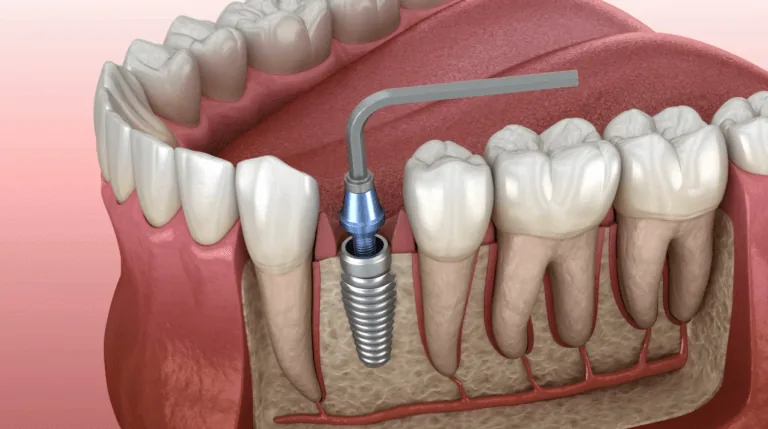
Losing a tooth can affect much more than the appearance of your smile. Missing teeth may make eating uncomfortable, affect the way you speak, and cause neighboring teeth to gradually shift from their natural positions. For people looking for a long-term way to replace missing teeth, dental implants have become an increasingly popular treatment option. If you are considering dental implants in G-8 Islamabad, understanding how the treatment works can help you make a more informed decision. From the initial examination to placement of the final tooth, dental implant treatment usually involves several carefully planned stages. This guide explains what dental implants are, their potential benefits, who may be suitable for treatment, and what you can expect during the procedure. What Is a Dental Implant? A dental implant is a small artificial tooth root that is placed into the jawbone to replace the root of a missing natural tooth. Most modern dental implants are made from biocompatible materials such as titanium. Once the implant has integrated with the surrounding bone, it can provide support for a replacement tooth called a dental crown. A typical implant restoration consists of three main parts: Depending on a patient’s needs, dental implants may be used to replace one missing tooth, several missing teeth, or to provide additional support for certain types of dentures. Why Replace a Missing Tooth? Some people assume that losing a back tooth is not a major concern because it cannot easily be seen. However, missing teeth can potentially affect overall oral function. After a tooth is lost, nearby teeth may gradually move into the empty space. Changes in the bite can make chewing less comfortable and may make some areas more difficult to clean. The jawbone in the area of a missing tooth can also gradually change because it no longer receives stimulation from the natural tooth root. Replacing a missing tooth can therefore be important for both appearance and oral function. What Are the Benefits of Dental Implants? Dental implants offer several potential advantages when they are appropriate for the patient. Natural-Looking Appearance A custom dental crown can be designed to match the size, shape, and shade of surrounding teeth. This can make an implant-supported tooth blend naturally with the rest of the smile. Improved Chewing A missing tooth can make biting and chewing certain foods more difficult. Because an implant is anchored in the jawbone, it can provide stable support for the replacement tooth once healing is complete. No Need to Prepare Healthy Neighboring Teeth A traditional dental bridge may require neighboring teeth to support the replacement tooth. A single dental implant can often replace a missing tooth without relying on adjacent teeth for support. Greater Stability Unlike removable tooth replacements, an implant-supported tooth is fixed in place. Patients do not normally remove a single implant crown for cleaning or sleeping. Helps Maintain the Jawbone The presence of an implant may help provide stimulation to the jawbone around the area where the natural tooth has been lost. Improved Confidence Replacing a visible missing tooth can also help people feel more comfortable while smiling, speaking, eating, and interacting socially. Who Is a Good Candidate for Dental Implants? Not everyone who has a missing tooth is automatically suitable for implant treatment. Before recommending a dental implant, your dentist will normally assess factors such as: Healthy gums are particularly important because gum disease can affect the tissues surrounding an implant. Some medical conditions or medications may also influence treatment planning and healing. This does not necessarily mean that implants are impossible, but your dentist needs a complete medical history before making a recommendation. What Is the Dental Implant Procedure? Patients searching for dental implants in G-8 Islamabad often want to know whether implant treatment can be completed in one visit. In many cases, dental implant treatment involves several stages. 1. Dental Examination and Consultation The first stage is a detailed dental assessment. Your dentist will examine your teeth, gums, bite, and the area where the tooth is missing. Dental imaging may be recommended to evaluate the jawbone and nearby anatomical structures. This information helps determine whether an implant is appropriate and where it should be positioned. Your dentist should also discuss available alternatives, expected treatment stages, possible risks, approximate healing periods, and costs before treatment begins. 2. Treatment Planning Every patient’s mouth is different, so implant treatment should be individually planned. Factors considered during planning may include the number of missing teeth, bone availability, gum health, appearance, and the type of final restoration required. If there is insufficient bone in the area, additional procedures such as bone grafting may sometimes be discussed. 3. Implant Placement During implant placement, the area is normally numbed with local anesthesia. The dentist or implant clinician creates a carefully prepared space in the jawbone and places the implant into the planned position. After placement, the area is allowed to heal. 4. Healing and Osseointegration An important part of implant treatment is a biological process known as osseointegration. This is when the surrounding bone gradually integrates with the surface of the dental implant, helping provide a stable foundation for the replacement tooth. Healing time varies between patients and depends on factors such as implant location, bone condition, general health, and whether additional procedures were required. 5. Abutment and Crown Placement Once the dentist confirms that the implant has healed sufficiently, an abutment can be attached. Measurements or digital impressions may then be taken so that the final dental crown can be created. The crown is designed to fit your bite while matching your surrounding teeth as naturally as possible. Once fitted, your dentist will check the appearance, bite, and comfort. Is Dental Implant Treatment Painful? Concern about pain is one of the most common questions patients have before implant treatment. Local anesthesia is generally used during implant placement to numb the treatment area. This means patients should not normally feel sharp pain during the surgical procedure, although pressure or movement may be noticeable. Some swelling, tenderness,

Ignoring Tooth Pain: Why It Can Become a Serious Dental Problem
Many people ignore tooth pain, hoping it will disappear on its own. You may take a painkiller, avoid chewing on that side, or simply wait until the discomfort becomes unbearable. However, tooth pain is often your body’s way of warning you that something is wrong. A small cavity, cracked tooth, gum problem, or infection can gradually become a much bigger issue if left untreated. In some cases, an untreated dental infection can spread beyond the tooth and affect surrounding tissues. Understanding why tooth pain should never be ignored can help you protect your smile and avoid complicated dental treatments in the future. 1. Tooth Pain Usually Indicates an Underlying Problem Tooth pain is not a disease itself — it is usually a symptom of another dental issue. Common causes include: When bacteria reach the deeper layers of a tooth, they can affect the pulp (the area containing nerves and blood vessels), causing increasing pain and inflammation. Ignoring the pain does not remove the cause; it only allows the problem to continue developing. 2. A Small Cavity Can Turn Into a Serious Infection Many dental problems start quietly. A small cavity may cause mild sensitivity at first, but without treatment, bacteria can continue damaging the tooth structure. Over time, decay can reach deeper parts of the tooth and may lead to: Early dental care can often prevent a minor issue from becoming a major one. 3. Untreated Tooth Infections Can Spread One of the biggest risks of ignoring tooth pain is the development of a dental infection or abscess. A tooth abscess is a pocket of infection caused by bacteria and usually requires professional dental treatment. Warning signs of a possible infection include: If an infection spreads, it can affect nearby areas such as the jaw, face, or neck, making treatment more complicated. 4. Pain May Disappear — But the Problem May Still Exist A common misconception is that if tooth pain stops, the problem has healed. Unfortunately, this is not always true. Sometimes pain decreases because the nerve inside the tooth becomes damaged or dies. However, bacteria may continue spreading and damaging surrounding tissues. A tooth that no longer hurts can still require immediate dental attention. 5. Delaying Treatment Can Make Procedures More Complex When dental issues are treated early, solutions are usually simpler and more comfortable. Delaying care may result in the need for more extensive procedures such as: Regular dental check-ups allow problems to be detected before they become painful emergencies. When Should You See a Dentist? You should schedule a dental appointment if you experience: Getting professional advice early can help protect your natural teeth and prevent future complications. Don’t Wait Until Tooth Pain Becomes an Emergency Ignoring tooth pain may seem easier today, but delaying treatment can lead to bigger problems tomorrow. A professional dental examination can identify the cause of your pain and provide the right solution before the condition worsens. At Smile & Skin Co., experienced dental professionals help diagnose and treat dental concerns with personalized care focused on restoring your comfort and oral health. Don’t let tooth pain control your life — book your dental consultation today. Visit: https://smileandskinco.com/ Take the first step toward a healthier, pain-free smile.

Why Are My Teeth Sensitive to Hot and Cold? Causes, Symptoms & When to See a Dentist
Have you ever taken a sip of hot tea or enjoyed a cold drink and suddenly felt a sharp pain in your tooth? This sudden discomfort is known as tooth sensitivity, and while it may seem like a minor issue, it can sometimes indicate an underlying dental problem. Tooth sensitivity occurs when the protective layers of your teeth become weakened, exposing the inner layer called dentin. When exposed dentin comes in contact with hot, cold, sweet, or acidic foods, it can trigger a painful sensation. If you frequently avoid your favorite foods because of tooth sensitivity, it may be time to understand the cause and seek professional dental advice. Common Signs of Tooth Sensitivity 1. Sharp Pain When Drinking Hot Beverages Many people notice sensitivity while drinking hot tea, coffee, or eating warm foods. A quick, sharp pain after exposure to heat may be a sign that your tooth nerves are reacting to temperature changes. Persistent sensitivity should not be ignored because it may be linked to issues such as enamel wear, cavities, or other dental concerns. 2. Sudden Pain From Cold Foods and Drinks Ice cream, chilled drinks, or cold water can trigger discomfort in sensitive teeth. This usually happens when the enamel becomes thinner or gums recede, exposing areas that are more sensitive to temperature changes. If cold sensitivity happens regularly, a dental examination can help identify the exact cause. 3. Sensitivity While Brushing or Flossing Some people experience a sudden painful sensation while brushing, especially around certain teeth. This can happen because of exposed tooth roots, worn enamel, gum problems, or improper brushing habits. Using excessive force while brushing can gradually damage protective tooth surfaces and increase sensitivity. 4. Pain That Continues After Temperature Exposure Normal sensitivity usually lasts only a few seconds. However, if pain continues for a longer time after consuming hot or cold items, it may indicate a deeper dental issue that requires professional evaluation. What Causes Teeth Sensitivity? Several factors can lead to sensitive teeth, including: Worn Tooth Enamel The enamel is the protective outer layer of your teeth. When it becomes damaged or thinner, the sensitive inner layers may become exposed. Gum Recession When gums move away from the teeth, the roots may become exposed, making them more sensitive. Tooth Decay or Cavities Cavities can allow temperature changes to reach deeper parts of the tooth, causing discomfort. Cracked or Damaged Teeth Small cracks can allow hot and cold sensations to affect the inner tooth structures. How Can a Dentist Help With Sensitive Teeth? The right treatment depends on the reason behind your sensitivity. A dentist may recommend treatments such as: A professional examination helps identify whether sensitivity is a simple issue or a sign of a more serious dental condition. Tips to Reduce Tooth Sensitivity at Home You can help protect your teeth by: However, home care should not replace professional advice if sensitivity continues. Don’t Let Tooth Sensitivity Control Your Daily Life Whether you experience pain from hot tea, cold drinks, or your favorite desserts, ongoing tooth sensitivity deserves attention. Early diagnosis can help prevent small problems from becoming bigger dental concerns. At Smile & Skin Co., professional dental care is focused on identifying the cause of your discomfort and providing effective solutions for a healthier, more comfortable smile. Book your dental consultation today and take the first step toward pain-free teeth. Visit: https://smileandskinco.com/
Signs of Dental Infection: When Should You Visit a Dentist?
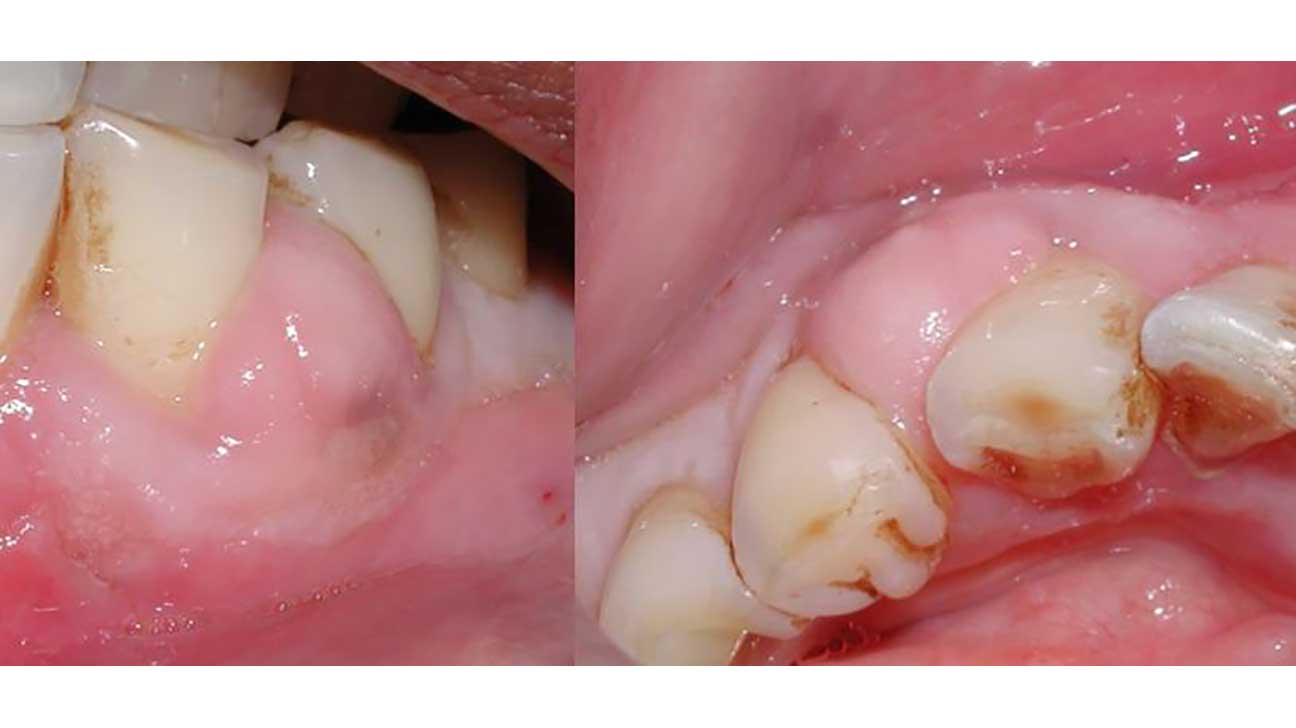
A toothache may seem like a small problem, but sometimes it can be a warning sign of a deeper dental infection. Ignoring the early symptoms can allow bacteria to spread and may lead to severe pain, swelling, and damage to your teeth and gums. Recognizing the signs of infection early can help you get timely treatment and protect your oral health. 1. Persistent Tooth Pain One of the most common signs of a dental infection is continuous or severe tooth pain. The pain may feel sharp, throbbing, or may spread toward your jaw, ear, or neck. Unlike normal sensitivity, infection-related pain often does not disappear on its own. If you are experiencing ongoing tooth pain, it is important to consult a professional dentist instead of relying only on temporary pain relief. 2. Swollen Gums or Face Swelling around the gums, cheek, or jaw can indicate that an infection is developing. You may notice a small bump on your gum, tenderness, or visible swelling around a tooth. Facial swelling should never be ignored, especially if it continues to increase or affects your ability to open your mouth comfortably. 3. Sensitivity to Hot and Cold Many people experience occasional sensitivity, but sudden or intense sensitivity can be a sign that bacteria have reached deeper areas of the tooth. If drinking hot tea or cold water causes sharp pain that lingers, it may be time to schedule a dental check-up. 4. Bad Taste or Foul Smell in Your Mouth A persistent bad taste or unpleasant mouth odor can occur when bacteria or pus from an infection are present. Some patients notice a salty or unusual fluid in their mouth when an abscess drains. This is a clear indication that your mouth needs professional evaluation. 5. Fever or Feeling Unwell A dental infection does not always stay limited to the tooth. In some cases, your body may respond with fever, swollen lymph nodes, or general discomfort. These symptoms mean you should seek dental care promptly. 6. Pain While Chewing If biting down causes pain in a specific tooth, it may indicate inflammation or infection around the tooth root. This discomfort often becomes worse over time if the underlying issue is not treated. Why Early Dental Treatment Matters A dental infection usually requires professional treatment to remove the source of infection. Depending on the condition, treatment may include cleaning, drainage, root canal therapy, or other dental procedures. Delaying treatment can increase the risk of complications and may make saving the affected tooth more difficult. When Should You Contact a Dentist? You should book a dental appointment if you notice: Getting checked early can prevent discomfort from becoming a bigger dental problem. Get Expert Dental Care at Smile & Skin Co. If you are experiencing signs of a dental infection, don’t wait until the pain becomes severe. The experienced team at Smile & Skin Co. provides professional dental care to help diagnose and treat dental problems effectively. Visit https://smileandskinco.com/ today to schedule your consultation and take the first step toward a healthier, pain-free smile.

How Much Does a Dental Checkup Cost in G8 Islamabad?
If you are planning to visit a dentist, one of the first questions you may ask is: how much does a dental checkup cost in G8 Islamabad? It is a practical question, especially if you are visiting a dental clinic for the first time, bringing a family member, or trying to understand whether your tooth pain, gum bleeding, or sensitivity needs treatment. The simple answer is that the cost of a dental checkup can vary. It depends on the clinic, the dentist’s experience, the type of examination needed, whether X-rays are required, and whether cleaning or treatment is included. If you are looking for a dentist in G-8 Markaz, Smile and Skin Co. is a convenient local option for patients in G8 Islamabad and nearby areas. Is There a Fixed Dental Checkup Cost in G8 Islamabad? There is usually no single fixed price for every dental checkup. A basic consultation may cost less than a detailed examination that includes X-rays, scaling, polishing, or treatment planning. Public dental marketplaces list dental checkup prices in Islamabad from around PKR 1,000, but actual charges can differ from clinic to clinic. As a local comparison, one Islamabad dental clinic publicly lists consultation charges of PKR 2,000 for several dentists, but that is a separate clinic and should not be treated as Smile and Skin Co.’s fee. The best way to confirm the current dental checkup cost at Smile and Skin Co. is to call or WhatsApp the clinic before your visit. What Is Usually Included in a Dental Checkup? A dental checkup is more than a quick look at your teeth. During a routine checkup, a dentist usually examines your teeth, gums, and mouth, asks about your dental concerns and general health, and gives advice about oral hygiene habits. The dentist may check for cavities, gum inflammation, plaque buildup, broken fillings, worn teeth, wisdom tooth issues, bite problems, and signs of infection. If you have pain or swelling, the dentist will focus on the affected area and may ask when the pain started, what triggers it, and whether it affects chewing or sleep. In some cases, X-rays may be recommended. The American Dental Association’s patient guidance explains that during a dental checkup, the dentist or hygienist may review medical history, examine the mouth, decide whether X-rays are needed, check gums for gum disease, and evaluate overall dental health. Why Does the Cost Vary? The cost of a dental checkup in G8 Islamabad can vary for several reasons. First, the type of visit matters. A routine checkup for a patient with no pain may be simpler than a visit for severe toothache, swelling, broken teeth, or wisdom tooth pain. An urgent or complex case may require more diagnostic time. Second, X-rays can affect the final cost. Not every patient needs an X-ray, but if the dentist suspects hidden decay, infection, impacted wisdom teeth, or bone loss, imaging may be recommended. Third, professional cleaning is usually separate from a basic dental consultation. Marham lists teeth cleaning prices in Islamabad as typically ranging from PKR 500 to PKR 12,000, depending on the clinic, location, dentist experience, and additional treatment needs. Fourth, the dentist’s experience, clinic location, equipment, sterilization standards, and treatment planning process may also affect fees. Dental Checkup vs. Teeth Cleaning: Are They the Same? Many patients confuse a dental checkup with teeth cleaning, but they are not always the same. A dental checkup is mainly an examination and diagnosis. The dentist checks your mouth, identifies concerns, and explains what treatment may be needed. Teeth cleaning, also called scaling and polishing, removes plaque and tartar from the teeth. Professional cleaning may reduce cavity and gum disease risk, remove stains, improve breath, and help identify dental issues early. If you only book a checkup, cleaning may not automatically be included. If you want both, ask the clinic whether the appointment includes consultation only or consultation plus scaling and polishing. When Should You Book a Dental Checkup? You should book a dental checkup if you have tooth pain, sensitivity, bleeding gums, bad breath, swelling, loose teeth, a chipped tooth, or discomfort while chewing. You should also visit even if nothing hurts, because many dental problems are easier to treat when found early. Dental checkups are also useful before starting cosmetic treatments such as teeth whitening, veneers, aligners, crowns, implants, or a smile makeover. A healthy foundation is important before improving the appearance of your smile. The NHS explains that after a checkup, the dentist may recommend when you should return; the timing depends on your oral health and risk level. Some people may need visits more often, while people with good oral health may need less frequent checkups. How to Prepare for Your Dental Checkup Before visiting a dentist in G8 Islamabad, make a short list of your symptoms and concerns. Note when the pain started, whether hot or cold foods trigger sensitivity, whether your gums bleed, and whether you have had previous dental work. Also tell the dentist about any medications, allergies, medical conditions, pregnancy, or past dental anxiety. Your medical history can help the dentist plan safe and comfortable care. If you have previous dental X-rays or prescriptions, bring them with you if possible. This may help the dentist understand your case faster. Is a Dental Checkup Worth the Cost? Yes, a dental checkup is usually worth it because it can help detect problems before they become more painful, expensive, or complicated. A small cavity may need a simple filling if caught early. If ignored, it may progress into infection and require root canal treatment or extraction. The same is true for gum problems. Early gum inflammation may improve with cleaning and better home care. Advanced gum disease can require more complex treatment. A checkup gives you clarity. Instead of guessing why your tooth hurts or why your gums bleed, you can receive a proper diagnosis and treatment plan. Why Choose Smile and Skin Co. in G8 Islamabad? Smile and Skin Co. is located in
Toothache in G8 Islamabad? Here’s When to Call a Dentist
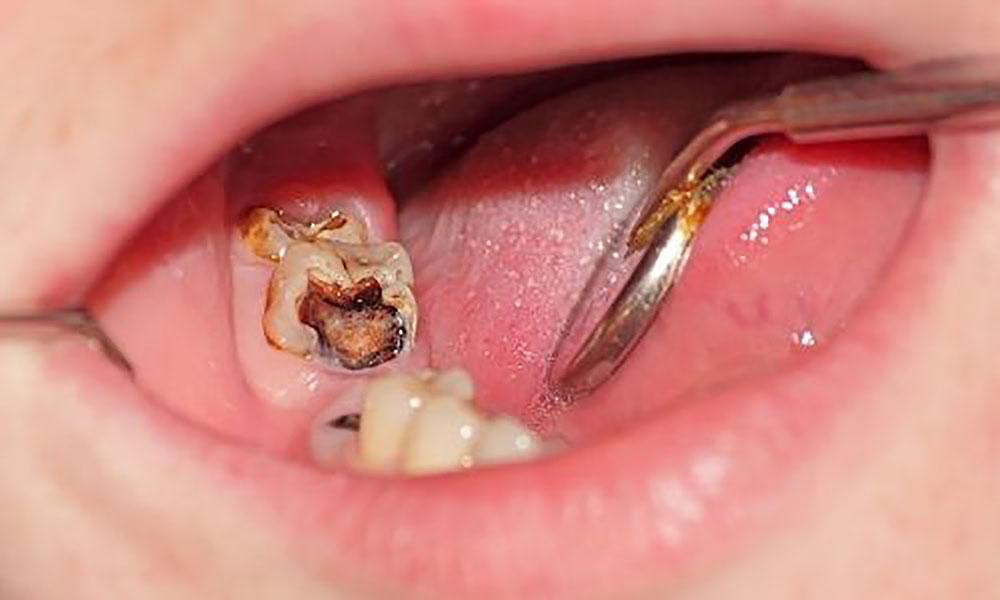
A toothache can start as mild sensitivity and quickly turn into sharp, throbbing, or constant pain. For many people, tooth pain appears suddenly while eating, drinking something hot or cold, or even while trying to sleep. If you are dealing with a toothache in G8 Islamabad, it is important to know when the pain can wait and when you should call a dentist as soon as possible. Tooth pain is not something to ignore. It is often a sign that something is wrong inside the tooth, around the gums, or in the surrounding jaw area. The cause may be a cavity, infection, cracked tooth, gum problem, wisdom tooth issue, damaged filling, or dental abscess. The sooner a dentist checks the problem, the easier it may be to treat and control. If you live or work near G-8 Markaz, Islamabad, Smile and Skin Co. can be a convenient local option for dental care, guidance, and treatment planning. Why Does a Toothache Happen? A toothache can happen for many reasons. Some causes are minor in the beginning, while others need urgent attention. One of the most common causes is tooth decay. When decay damages the outer layer of the tooth and reaches deeper areas, it can cause sensitivity, pain, or infection. Another common cause is gum inflammation. Swollen or bleeding gums may make the teeth feel sore, especially while brushing or chewing. A cracked or chipped tooth can also trigger pain because the inner layers of the tooth may become exposed. In some cases, an old filling or crown may become loose, allowing bacteria to enter and irritate the tooth. Wisdom teeth can also cause toothache, especially if they are impacted, partially erupted, or creating pressure at the back of the mouth. For some patients, tooth pain may come from grinding, jaw clenching, sinus pressure, or bite problems. Because toothache can have many causes, a proper dental examination is the best way to find out what is really happening. When Should You Call a Dentist for Toothache? You should call a dentist if your toothache lasts more than one or two days, keeps coming back, or becomes worse over time. Pain that does not settle is usually a sign that the underlying problem needs professional care. You should also contact a dentist if the pain is affecting your sleep, work, eating, or daily routine. Severe pain is not normal, especially if it does not improve with basic care. A dentist can examine the tooth, identify the cause, and recommend the right treatment. If you are searching for a dentist in G8 Islamabad because of tooth pain, do not wait until the discomfort becomes unbearable. Early treatment can help prevent the condition from becoming more serious. Signs Your Toothache May Be Urgent Some toothache symptoms need faster attention. Call a dentist promptly if you notice any of the following: Severe or constant tooth painSwelling in the gums, jaw, or facePain when opening your mouthPain while chewing or bitingA broken, cracked, or knocked-out toothPus, bad taste, or signs of infectionFever along with dental painBleeding that does not stopA loose crown, bridge, or filling causing painTooth pain after an injury or accident Swelling is especially important. It may suggest infection, and dental infections should not be ignored. If swelling spreads, or if you have difficulty breathing, difficulty swallowing, or serious facial swelling, seek urgent medical help immediately. Can a Toothache Go Away on Its Own? Sometimes tooth pain may reduce for a short time, but that does not always mean the problem is gone. Pain can come and go when a cavity, cracked tooth, or infection is developing. In some cases, the nerve inside the tooth may become damaged, and the pain may temporarily reduce even though the infection remains. This is why it is risky to judge the seriousness of a dental problem by pain alone. A dental checkup can help confirm whether the tooth is healthy, infected, decayed, cracked, or in need of treatment. If you had pain yesterday and feel better today, it is still wise to schedule a dental visit, especially if the pain was strong, repeated, or linked with swelling or sensitivity. What a Dentist May Check During Your Visit When you visit a dentist for toothache, the first step is usually a discussion about your symptoms. The dentist may ask when the pain started, where it is located, what triggers it, and whether it feels sharp, dull, throbbing, or constant. The dentist may then examine your teeth, gums, bite, and affected area. In some cases, an X-ray may be recommended to check the root, bone, wisdom teeth, or hidden decay between teeth. This helps the dentist understand the exact cause of the pain. After the examination, the dentist may recommend treatment such as a filling, cleaning, root canal treatment, crown, gum treatment, wisdom tooth care, or extraction, depending on the diagnosis. The right treatment depends on the condition of the tooth and the severity of the problem. Toothache and Dental Infection A dental infection can become painful and serious if left untreated. Signs may include swelling, throbbing pain, pus, bad taste in the mouth, fever, or tenderness around the tooth. An abscess may form when infection collects around the root or gum area. Painkillers may reduce discomfort temporarily, but they do not remove the cause of infection. A dentist needs to assess the tooth and provide proper treatment. Delaying care may allow the infection to spread or damage nearby tissues. If you suspect an infection, call a dentist quickly. Do not try to drain swelling yourself, place tablets directly on the gum, or rely only on home remedies. What You Can Do While Waiting for Your Appointment While waiting to see a dentist, you can take simple steps to reduce discomfort. Rinse your mouth gently with warm salt water. Keep the area clean by brushing carefully. Avoid very hot, cold, sweet, or hard foods if they trigger pain. Try not to chew on the painful side. If you

What to Expect at Your First Dental Visit in G8 Islamabad?
Visiting a dentist for the first time can feel a little stressful, especially if you are unsure what will happen during the appointment. Whether you are experiencing tooth pain, want a routine dental checkup, need cosmetic advice, or simply want to improve your oral health, your first dental visit is an important step toward a healthier smile. If you are looking for a trusted dentist in G8 Islamabad, Smile and Skin Co. in G-8 Markaz provides a convenient location for patients living or working nearby. A first dental appointment is not just about checking teeth. It is also about understanding your concerns, reviewing your oral health, and creating a treatment plan that suits your needs. Why Your First Dental Visit Matters Many people visit a dentist only when they feel pain. However, dental problems often begin quietly. Cavities, gum inflammation, enamel wear, wisdom tooth issues, and plaque buildup may not cause obvious symptoms in the beginning. A first dental visit helps identify these concerns early, before they become more serious or uncomfortable. Your first visit also gives you the opportunity to build trust with your dentist. You can discuss your dental history, ask questions, explain any fears, and understand what treatment options are available. For patients who feel nervous about dental treatment, this first conversation can make the entire experience easier and more comfortable. At Smile and Skin Co., the goal of a first visit is to make patients feel informed, relaxed, and confident about their care. Step 1: Sharing Your Dental and Medical History Your appointment will usually begin with a discussion about your dental and medical background. The dentist may ask about previous dental treatments, current symptoms, allergies, medications, medical conditions, or any past experience with dental anxiety. This step is important because your overall health can affect your oral health. Conditions such as diabetes, pregnancy, heart concerns, or certain medications may influence your treatment plan. If you have had dental X-rays, braces, implants, root canals, crowns, or gum treatment in the past, it is helpful to mention them during your visit. You should also tell the dentist about any pain, sensitivity, bleeding gums, bad breath, jaw discomfort, or difficulty chewing. Even small details can help the dentist understand what is happening and recommend the right care. Step 2: Discussing Your Main Concern Every patient comes with a different reason for visiting. Some people need a general dental checkup. Others may be worried about tooth pain, yellow teeth, missing teeth, bleeding gums, or a chipped tooth. Some patients are interested in cosmetic options such as teeth whitening, veneers, aligners, or a smile makeover. During your first dental visit in G8 Islamabad, the dentist will listen to your concern and ask follow-up questions. For example, if you have tooth pain, they may ask when it started, whether it gets worse with hot or cold drinks, or whether the pain is constant or comes and goes. If your goal is cosmetic improvement, the dentist may ask what you would like to change about your smile. This could include tooth color, shape, spacing, alignment, or overall appearance. Step 3: Complete Oral Examination After understanding your concerns, the dentist will examine your teeth, gums, tongue, cheeks, bite, and overall mouth condition. This examination helps detect cavities, gum problems, cracked teeth, plaque buildup, worn fillings, tooth movement, bite issues, and other oral health concerns. The dentist may use a small dental mirror and other examination tools to check areas that are difficult to see at home. They may also look for signs of gum inflammation, infection, swelling, or dental sensitivity. A complete oral examination is one of the most valuable parts of your first visit because it gives the dentist a clear picture of your current dental health. Step 4: X-Rays If Needed Not every patient needs X-rays at every visit. However, if the dentist needs to see what is happening below the surface, dental X-rays may be recommended. X-rays can help detect cavities between teeth, infections, impacted wisdom teeth, bone levels, root problems, or hidden dental issues that may not be visible during a regular examination. For new patients, X-rays can also help create a baseline record of oral health. If you already have recent dental X-rays from another clinic, you may bring them with you or ask whether they can be shared with the dentist. If you are pregnant, have a medical condition, or have concerns about X-rays, tell the dental team before imaging is done. Step 5: Gum Health Check Healthy gums are just as important as healthy teeth. During your first visit, the dentist may check your gums for swelling, bleeding, recession, tenderness, or signs of gum disease. Bleeding gums are often ignored, but they can be a sign of plaque buildup or gum inflammation. If gum problems are found early, they can often be managed with professional cleaning, improved oral hygiene, and regular follow-up care. The dentist may also guide you on brushing technique, flossing, mouthwash use, and how often you should schedule cleanings based on your gum condition. Step 6: Professional Cleaning Recommendation Depending on your oral health, the dentist may recommend a professional cleaning. Even if you brush daily, plaque and tartar can collect in areas that are difficult to clean at home. Tartar cannot be removed with regular brushing and usually requires professional dental instruments. A cleaning may help freshen your breath, improve gum health, remove surface stains, and reduce the risk of cavities and gum disease. If your gums are sensitive or inflamed, the dentist may suggest a specific type of cleaning based on your condition. Step 7: Personalized Treatment Plan After the examination, the dentist will explain their findings in simple terms. If everything looks healthy, they may recommend routine checkups and preventive care. If any issues are found, they will discuss treatment options. Your treatment plan may include fillings, cleaning, root canal treatment, crowns, tooth extraction, gum care, whitening, aligners, veneers, implants, or other dental services depending on your needs. A

 and Innovation by