
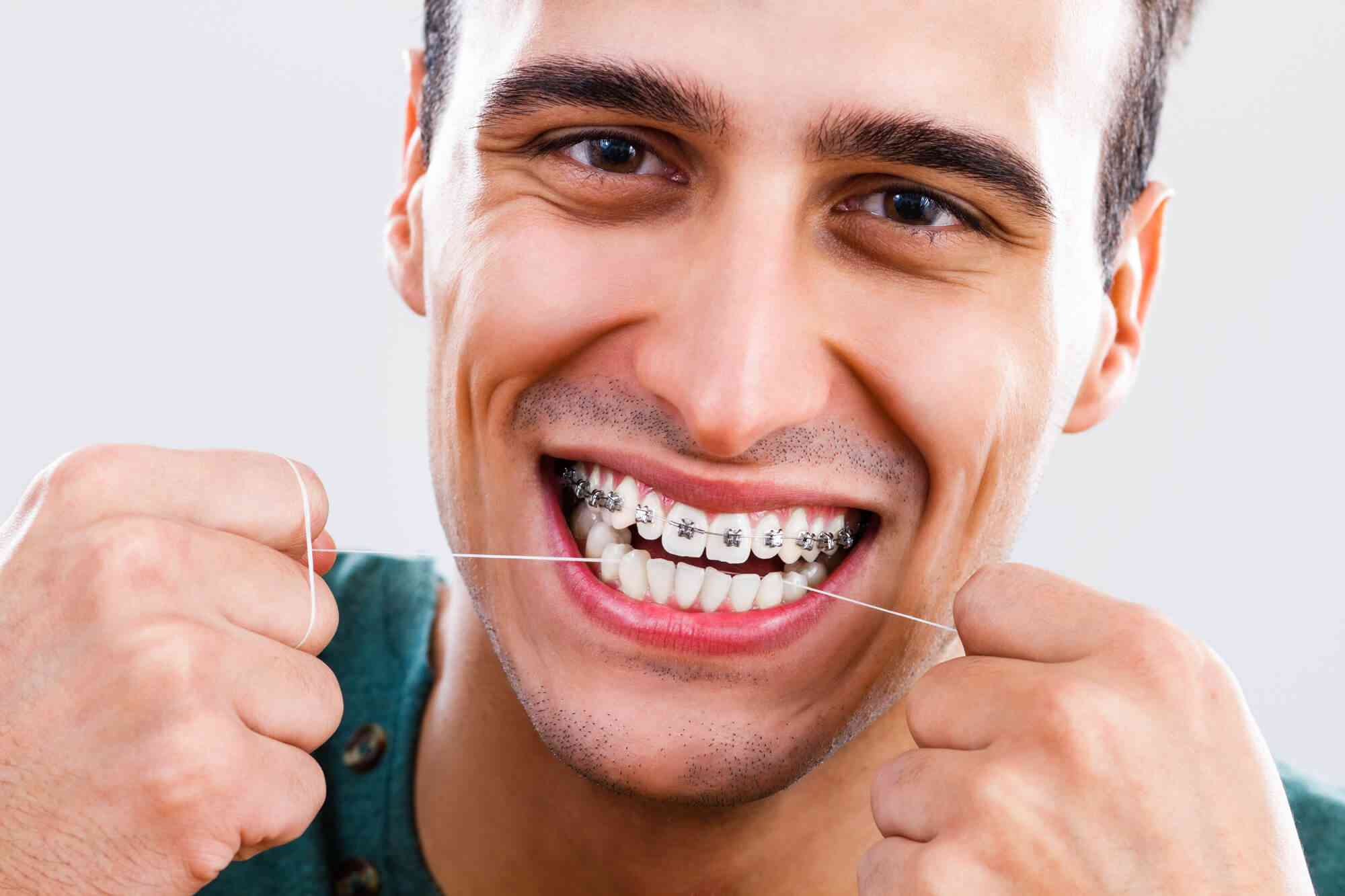
Crooked, crowded, or unevenly spaced teeth can affect both the appearance of your smile and the way your teeth function. In some cases, problems with tooth alignment may also make brushing and flossing more difficult, increasing the chance of plaque building up in areas that are harder to clean.
Orthodontic treatment can help improve the position of the teeth and, where appropriate, correct certain bite problems. Braces remain one of the most commonly used methods for gradually moving teeth into better alignment.
If you are considering braces in G-8 Islamabad, you may have questions about the different types available, how long treatment takes, whether braces are uncomfortable, and what happens during appointments.
This guide explains what you can generally expect before, during, and after orthodontic treatment.
What Are Dental Braces?
Dental braces are orthodontic appliances used to gradually move teeth into more suitable positions.
Traditional braces usually consist of small brackets attached to the teeth and connected by an orthodontic wire. The wire applies controlled pressure, encouraging the teeth to move slowly over time.
During treatment, adjustments are made periodically so that the teeth continue moving according to the treatment plan.
Braces may be recommended for problems such as:
- Crooked teeth
- Crowded teeth
- Gaps between teeth
- Overlapping teeth
- Certain overbites
- Certain underbites
- Crossbites
- Open bites
- Teeth that have erupted in unsuitable positions
The exact treatment required depends on your teeth, jaws, age, and the type of alignment problem present.
Why Do People Get Braces?
Many people first consider orthodontic treatment because they want a straighter smile. However, braces may offer benefits beyond appearance.
Properly aligned teeth can sometimes be easier to brush and floss because there may be fewer difficult-to-reach overlapping areas.
Correcting certain bite problems may also improve the way the upper and lower teeth meet during chewing.
Orthodontic treatment is therefore often planned with both appearance and function in mind.
What Types of Braces Are Available?
Patients looking for braces in G-8 Islamabad may come across several orthodontic options. Not every type is appropriate for every patient, so your dentist or orthodontic provider will recommend treatment after examining your teeth and bite.
1. Traditional Metal Braces
Metal braces are one of the most widely used orthodontic treatments.
Small metal brackets are attached to the teeth and connected with an orthodontic wire. Adjustments are made at regular appointments to gradually guide the teeth toward their planned positions.
Modern metal braces are generally smaller and more streamlined than older designs.
They may be suitable for treating a wide range of orthodontic problems, including more complicated tooth movements.
2. Ceramic Braces
Ceramic braces work in a similar way to traditional metal braces but use tooth-colored or clear brackets.
Because the brackets are less noticeable, some patients prefer ceramic braces for cosmetic reasons.
They may still use an orthodontic wire that can be visible, and patients need to clean carefully around the brackets to reduce plaque accumulation and staining.
3. Clear Aligners
Clear aligners are removable trays designed to gradually move teeth.
Rather than brackets and wires, patients wear a series of custom-made aligners. Each set is usually worn according to the treatment schedule recommended by the dentist or orthodontic provider.
Clear aligners can be less noticeable than traditional braces and are removed for eating and oral hygiene.
However, they require good patient compliance. If the aligners are not worn for the recommended amount of time, treatment may not progress as planned.
They are also not appropriate for every orthodontic problem.
Which Type of Braces Is Best?
There is no single type of orthodontic treatment that is best for everyone.
The right option depends on several factors, including:
- The severity of tooth crowding or spacing
- The type of bite problem
- Age
- Oral health
- Lifestyle
- Appearance preferences
- Ability to follow treatment instructions
- Treatment goals
- Budget
A professional orthodontic assessment is therefore important before choosing between metal braces, ceramic braces, or clear aligners.
What Happens Before Getting Braces?
Before orthodontic treatment begins, your dentist will usually evaluate your teeth and gums.
The assessment may include:
- Examination of tooth alignment
- Bite assessment
- Dental photographs
- Dental impressions or digital scans
- X-rays when required
- Evaluation of gum health
- Checking for cavities or other dental problems
Existing dental problems may need to be treated before braces are fitted.
For example, untreated tooth decay or significant gum problems should generally be addressed before beginning orthodontic treatment.
The information gathered during the assessment is then used to create an individualized treatment plan.
What Happens When Braces Are Fitted?
If traditional braces are recommended, the teeth are cleaned and prepared before brackets are attached.
An orthodontic wire is then placed through the brackets and secured.
Getting braces fitted does not normally involve drilling into the teeth. The appointment may take some time because each bracket needs to be carefully positioned.
After the braces have been fitted, your dentist or orthodontic provider will explain how to clean around them, which foods should be avoided, and when you need to return for follow-up appointments.
Do Braces Hurt?
Braces can cause temporary discomfort, particularly after they are first fitted or adjusted.
You may notice:
- Pressure on the teeth
- Mild soreness
- Tenderness while chewing
- Irritation of the cheeks or lips
- Tightness following an adjustment
This discomfort usually occurs because controlled pressure is being applied to move the teeth.
It often improves after the mouth adjusts.
If a bracket breaks, a wire becomes loose, or you experience significant pain, contact your dental or orthodontic provider rather than attempting major adjustments yourself.
How Long Does Braces Treatment Take?
One of the most common questions patients ask is: How long will I need braces?
There is no universal treatment time.
Orthodontic treatment may take several months to a few years depending on the complexity of the case.
Factors that can influence treatment duration include:
- Severity of crowding
- Size of spaces between teeth
- Type of bite problem
- Number of teeth requiring movement
- Age
- Treatment method
- How the teeth respond to movement
- Attendance at adjustment appointments
- Following orthodontic instructions
A patient with relatively mild spacing may require a different treatment period from someone with significant crowding and bite correction needs.
After examining your teeth, your dentist or orthodontic provider can provide a more realistic estimated timeline.
How Often Are Braces Adjusted?
Patients with braces need regular appointments throughout treatment.
During these visits, the progress of tooth movement is checked. Wires or other orthodontic components may be adjusted or replaced when necessary.
These visits are important because orthodontic treatment involves gradual, controlled tooth movement.
Missing repeated appointments may delay progress and potentially increase the total treatment time.
What Foods Should You Avoid With Braces?
Certain foods can damage brackets or wires.
Patients wearing fixed braces are often advised to be careful with:
- Hard sweets
- Ice
- Very sticky foods
- Chewing gum
- Hard nuts
- Popcorn kernels
- Tough foods that require excessive biting
Hard fruits and vegetables may sometimes be easier to eat when cut into smaller pieces instead of biting directly into them.
Your orthodontic provider can give you specific dietary guidance based on the appliance you are wearing.
How Do You Keep Braces Clean?
Good oral hygiene becomes particularly important during orthodontic treatment.
Food and plaque can collect around brackets and wires, making careful cleaning essential.
Patients should generally:
- Brush thoroughly at least twice daily
- Pay special attention around brackets
- Clean between teeth
- Use orthodontic cleaning aids if recommended
- Limit frequent sugary snacks and drinks
- Attend routine dental examinations
- Have professional cleaning when advised
Poor oral hygiene during orthodontic treatment can contribute to gum inflammation, tooth decay, and visible marks on the teeth.
Straightening teeth is only beneficial if the teeth and gums remain healthy throughout treatment.
What Happens After Braces Are Removed?
Orthodontic treatment does not end completely when the braces come off.
After braces are removed, teeth can naturally attempt to move toward their previous positions. This is known as orthodontic relapse.
To help maintain the new alignment, patients are usually given a retainer.
Retainers may be removable or fixed, depending on the treatment plan.
Following your dentist’s instructions about retainer use is extremely important because failing to wear a retainer as recommended can allow teeth to shift.
Can Adults Get Braces?
Yes. Braces are not exclusively for children or teenagers.
Many adults seek orthodontic treatment because they did not receive braces earlier or because their teeth have shifted over time.
Adult treatment planning may differ depending on gum health, missing teeth, existing crowns, previous dental work, and other oral conditions.
Age alone does not necessarily prevent someone from having orthodontic treatment.
The first step is an assessment to determine whether your teeth and supporting tissues are healthy enough for treatment.
When Should You Consider an Orthodontic Consultation?
You may benefit from an orthodontic assessment if you notice:
- Teeth that significantly overlap
- Crowded front teeth
- Large gaps
- Teeth that do not meet correctly
- Difficulty cleaning crowded areas
- A noticeable overbite or underbite
- Concern about the appearance of your tooth alignment
An assessment does not automatically mean you need braces. It allows the dental professional to examine the problem and explain whether treatment is recommended.
Looking for Braces in G-8 Islamabad?
Orthodontic treatment can improve tooth alignment and may help create a healthier, more confident smile. However, choosing the right type of braces and understanding your expected treatment time requires a proper dental assessment.
If you are considering braces in G-8 Islamabad, visit Smile and Skin Co. for a dental consultation. Your teeth, gums, and bite can be assessed before appropriate orthodontic options are discussed.
Whether you are interested in traditional braces, more discreet alternatives, or simply want to know whether orthodontic treatment is right for you, professional evaluation is the best place to start.
Book a consultation with Smile and Skin Co. in G-8 Islamabad to discuss your teeth alignment and learn about suitable orthodontic treatment options.

 and Innovation by