
The dental field offers a wide range of career opportunities, from dentists and specialists to dental hygienists and assistants. A common question that arises, especially among dental professionals and students, is: Can a dentist work as a hygienist? At first glance, the answer might seem obvious — since dentists are more highly trained than hygienists, they should be able to perform those duties. However, the reality involves legal, licensing, and practical considerations that vary depending on the country or region. In this article, we’ll break down everything you need to know about whether a dentist can work as a hygienist, including legal aspects, career flexibility, and real-world scenarios. Understanding the Roles: Dentist vs. Dental Hygienist Before answering the question, it’s important to understand the difference between the two roles. Dentist A dentist is a licensed medical professional who diagnoses and treats oral health issues. Their responsibilities include: Dentists undergo extensive education, typically including a Bachelor’s degree followed by a Doctor of Dental Surgery (DDS) or Doctor of Dental Medicine (DMD). Dental Hygienist A dental hygienist focuses primarily on preventive oral care. Their duties include: Hygienists usually complete a diploma or associate degree in dental hygiene and must be licensed to practice. So, Can a Dentist Work as a Hygienist? Short Answer: Yes, But It Depends on Regulations Technically, a dentist can perform the duties of a dental hygienist, because they are trained to do much more. However, whether they can officially work as a hygienist depends on local laws and licensing rules. Legal and Licensing Considerations 1. Licensing Requirements In many countries, dental hygienists require a separate license. Even if someone is a qualified dentist, they may not legally work under the title of “dental hygienist” without proper registration. For example: 2. Scope of Practice Dentists have a broader scope of practice compared to hygienists. This means: However, working under the job title of a hygienist might still be restricted. 3. Country-Specific Rules Regulations vary widely: Why Would a Dentist Work as a Hygienist? While it may seem unusual, there are several situations where a dentist might choose or need to work in a hygienist role. 1. Transition Period A dentist moving to a new country may not yet have their local license. During this time, they might: 2. Job Availability In competitive job markets, dentists may temporarily take on roles that involve: This helps them stay active in the field while searching for full dentist positions. 3. Work-Life Balance Some dentists may prefer: Working in a hygiene-focused role can offer a lower-stress alternative. 4. Clinic Needs In smaller clinics, especially in developing countries, dentists often: Practical Reality in Clinics In real-world practice, the lines between roles can blur. A dentist may: However, this is different from being officially hired as a hygienist. Advantages of Dentists Performing Hygienist Duties There are several benefits when dentists take on hygiene tasks: ✔ Better Patient Care Dentists can identify issues early during cleanings and immediately take action. ✔ Efficiency Combining roles reduces patient waiting time. ✔ Cost-Effective for Clinics Clinics may save on staffing costs, especially in smaller setups. Challenges and Limitations Despite the advantages, there are some drawbacks. ✖ Licensing Barriers In some countries, strict regulations prevent dentists from working as hygienists without additional certification. ✖ Pay Structure Differences Hygienists are usually paid less than dentists, making it financially impractical. ✖ Professional Identity Dentists may feel overqualified or underutilized in a hygienist role. Can a Dentist Be Called a Hygienist? This is an important distinction. Titles are often regulated to protect professional standards and patient trust. Career Flexibility in Dentistry One of the strengths of the dental profession is flexibility. A dentist can: Working in a hygiene-like role can be part of that flexibility, especially during career transitions. Final Verdict So, can a dentist work as a hygienist? 👉 Yes — in terms of skills and capability.👉 But legally — it depends on the country and licensing rules. In most cases: Conclusion The dental profession is layered, and while dentists are trained to perform a wide range of procedures, including those of a hygienist, legal frameworks play a crucial role in defining job titles and responsibilities. If you’re a dentist considering this path, it’s essential to: At the end of the day, both dentists and hygienists play vital roles in maintaining oral health — and sometimes, their responsibilities can overlap more than you might expect.
How to Cure Gum Disease Without a Dentist?
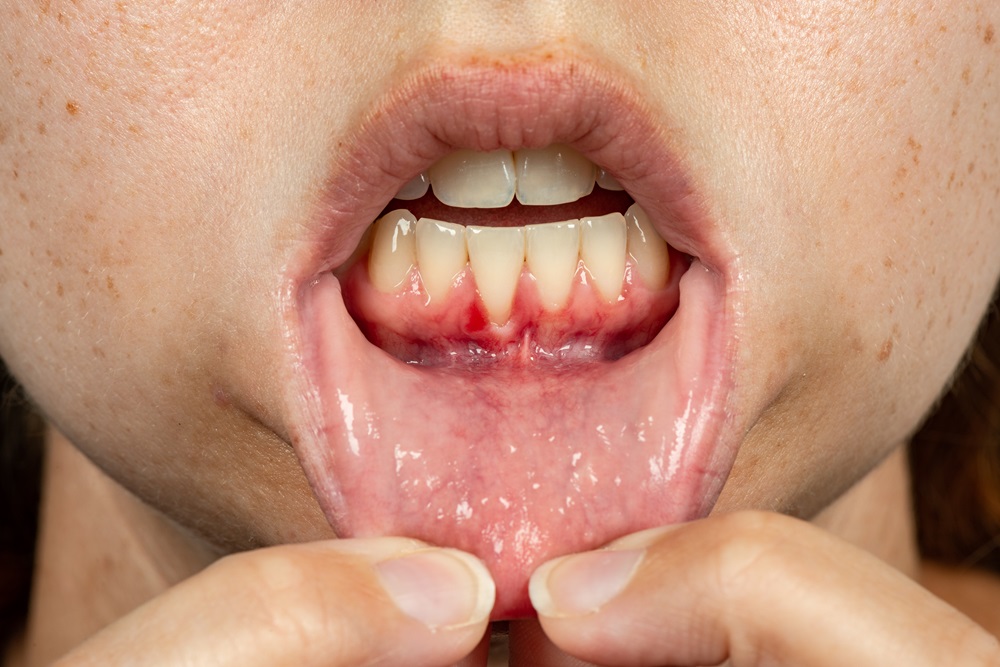
Gum disease, also known as periodontal disease, is one of the most common oral health problems worldwide. It begins with gingivitis, a mild stage characterized by red, swollen, and bleeding gums. If left untreated, it can progress to periodontitis, which affects the bone and tissues that support your teeth, potentially leading to tooth loss. While advanced gum disease requires professional treatment, early stages can often be reversed naturally with consistent care and the right home remedies. This article will guide you through safe, effective methods to improve your gum health, prevent further damage, and regain a healthy smile — all from the comfort of your home. Visit the best dental clinic in Islamabad What Causes Gum Disease Visit the best dental clinic in Islamabad Early Signs of Gum Disease If you notice these symptoms, it’s crucial to take action immediately to prevent progression to advanced stages. Natural Ways to Cure Gum Disease at Home Treating early gum disease without a dentist involves consistent oral hygiene and natural remedies that target bacteria, reduce inflammation, and strengthen gum tissue. 1. Improve Your Oral Hygiene Routine The most important step to reversing gingivitis is to clean your mouth thoroughly every day. When performed consistently, this routine can significantly reduce plaque and inflammation within a few weeks. 2. Saltwater Rinse Saltwater is one of the simplest yet most effective home remedies for gum disease. Its natural antibacterial properties help reduce swelling, fight infection, and soothe irritated gums. How to use: 3. Oil Pulling Oil pulling is an ancient technique that helps reduce bacteria and improve gum health. How to do it: Doing this daily can decrease plaque and inflammation over time. 4. Aloe Vera Gel Aloe vera has natural anti-inflammatory and antibacterial properties that make it excellent for soothing gums and promoting healing. How to use: 5. Green Tea Drinking green tea or using it as a mouth rinse can support gum health due to its antioxidant and anti-inflammatory benefits. How to use: 6. Turmeric Paste Turmeric is known for its strong anti-inflammatory and antimicrobial properties. How to use: 7. Vitamin C-Rich Foods Vitamin C is essential for gum health and tissue repair. A deficiency can make gums prone to infection and bleeding. Incorporate vitamin C-rich foods into your diet, such as: You can also consider taking a vitamin C supplement if your diet lacks these foods. 8. Clove Oil Clove oil has natural analgesic and antibacterial properties, making it effective for soothing gum pain and fighting bacteria. How to use: 9. Stop Smoking If you smoke, quitting is one of the most powerful steps you can take for gum health. Smoking restricts blood flow to the gums, slows healing, and increases bacterial growth. By stopping smoking, you give your gums the best chance to recover naturally. Daily Routine for Gum Health Here’s a simple daily routine you can follow to fight and reverse gum disease at home: Time of Day Activity Morning Brush teeth + floss + rinse with saltwater Afternoon Drink green tea or swish with warm water after meals Evening Brush teeth + oil pulling + aloe vera massage Bedtime Final rinse with antibacterial mouthwash Consistency is key. Even the most powerful natural remedy won’t work if you only use it occasionally. When to Seek Professional Help While these home remedies are effective for early-stage gum disease, some situations require professional intervention. Seek help if you notice: At this stage, only a dental professional can properly clean deep pockets and treat advanced gum disease. For expert care and personalized treatment plans, visit Smile & Skin Co. to explore their dental services and schedule a consultation. Preventing Gum Disease in the Future Once you’ve healed your gums, focus on long-term prevention. Here are some habits to maintain healthy gums for life: Final Thoughts Curing gum disease without a dentist is possible when caught in its early stages. By improving oral hygiene, using natural remedies, and adopting healthy lifestyle habits, you can reverse gingivitis and prevent it from advancing to a more serious condition. However, don’t ignore persistent symptoms or assume home care is always enough. For stubborn cases or advanced gum disease, professional help is essential to protect your teeth and overall health. Taking charge of your gum health today can save you pain, money, and complications tomorrow. With a consistent routine and the right natural remedies, you can restore your smile and enjoy lasting oral wellness.

How to Remove Tartar from Teeth without a Dentist
Tartar (also called dental calculus) is the hardened form of plaque. Once plaque mineralizes it becomes tough, sticky, and firmly attached to tooth enamel or under the gumline. While only a dental professional can fully remove heavy tartar buildup, there are several home methods and preventive practices that can help you reduce, soften, or prevent tartar, keeping your teeth healthier in between dental visits. In this blog post, we’ll explore: 1. What Is Tartar & Why It’s Difficult to Remove Because tartar is hard and calcified, a regular toothbrush cannot remove mature tartar. Only early-stage deposits of plaque (before calcification) are manageable by routine hygiene. 2. What You Can Do at Home — With Caution While you can’t always remove thick or deep tartar at home, you can reduce it, prevent more buildup, and soften what’s there. Here are safe, dentist-recommended methods. Method What it does / How it helps Brushing properly with a fluoride-toothpaste Use a soft-bristle brush; angle 45° at the gumline; brush twice a day for 2 minutes. Fluoride strengthens enamel and helps prevent plaque from hardening. Flossing or interdental cleaning daily Reaches places toothbrushes don’t — between teeth and under gum edges. Helps reduce plaque before it forms tartar. Mouthwash / Antiseptic rinses Using mouthwashes with antimicrobial/antiseptic properties reduces bacteria that contribute to plaque formation. Tartar-control toothpaste / rinses Products containing pyrophosphates, zinc citrate, or specific enzymes can help prevent tartar formation. They are not magic erasers, but they help slow and reduce buildup. 3. Natural Remedies & Safe Tools Here are several natural/“DIY” remedies and tools that people use. These should be used with care; overuse or misuse can damage enamel or irritate gums. Always test on a small area, be gentle, and monitor your reaction. A. Baking Soda B. Hydrogen Peroxide C. Oil Pulling D. Vinegar & Salt Rinses E. Orange Peels / Vitamin C Sources F. Safe Tools (Used Carefully) 4. What You Should Never Do To protect your dental health, avoid: 5. Preventive Habits to Keep Tartar at Bay Prevention is much easier and safer than removal. Here are habits to adopt: 6. When Home Doesn’t Cut It — Time to See a Professional Even with perfect home care, some tartar will likely remain, especially below the gumline or in hard-to-reach areas. A dentist or dental hygienist uses professional tools (ultrasonic scalers, curettes) to remove hardened tartar safely. If you notice any of the following symptoms, schedule a dental appointment: 7. Integrating Home Remedies With Professional-Grade Products For people who want stronger results at home, combining natural remedies with quality dental products can help. For example: Linking to Further Resources & Your Oral Health Routine For more detailed tips, products, or treatments related to skin and smile health, you can visit Smile & Skin Co. where you’ll find advice not only on dental hygiene but how teeth and skin care often go hand in hand. Sample At-Home Routine to Try (Weekly Plan) Here’s a sample routine combining many of the above methods. Adjust according to your comfort level and sensitivity. Day Morning Evening Extras / Once-a-Week Mon Brush with fluoride toothpaste Floss + brush; rinse with mouthwash Baking soda paste (once) Tue Brush + mouthwash Floss + brush Oil pulling session (10-15 min) Wed Brush + tongue scraping Floss + brush Orange peel rub or vitamin C paste Thu Brush + mouthwash Floss + brush Vinegar & salt rinse (gentle) Fri Brush + toothpaste with tartar control Floss + brush Skip abrasive methods if sensitivity noticed Sat Brush (possibly with baking soda blend) Floss deeply + brush Full soft routine; gentle caring Sun Brush + rest (gentler) Floss + brush Evaluate: if any discomfort or signs of damage, rest the harsh methods 8. Bottom Line

 and Innovation by