
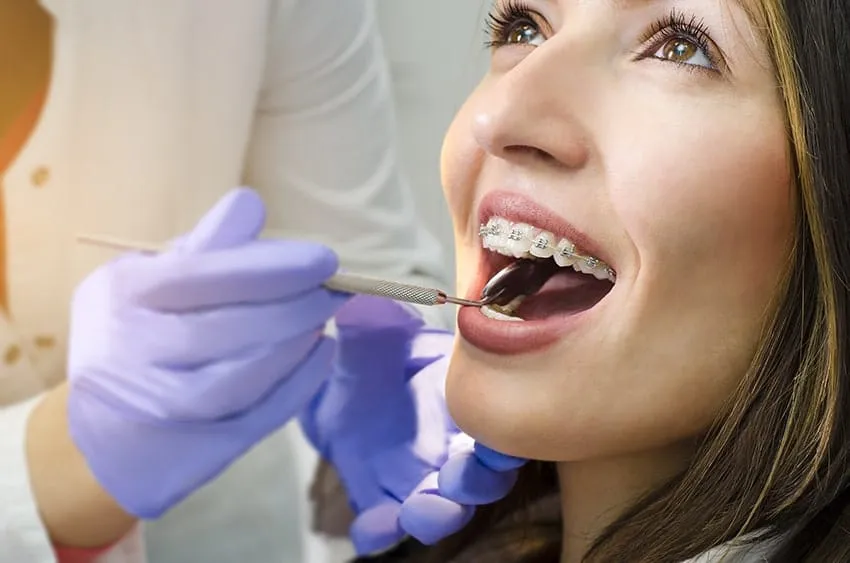
Getting braces is supposed to make your smile better, so hearing that a dentist or orthodontist wants to remove teeth first can feel confusing or even scary. Many people wonder why teeth need to come out at all. If braces straighten teeth, shouldn’t they just fix the problem without removing anything?
The truth is, tooth removal for braces is sometimes necessary to create enough space in the mouth for proper alignment. It is not done in every case, and it is never supposed to be random. Orthodontists recommend extractions only when they believe it will help produce a healthier bite, a straighter smile, and a more stable long-term result.
Braces Move Teeth, But They Do Not Create Space
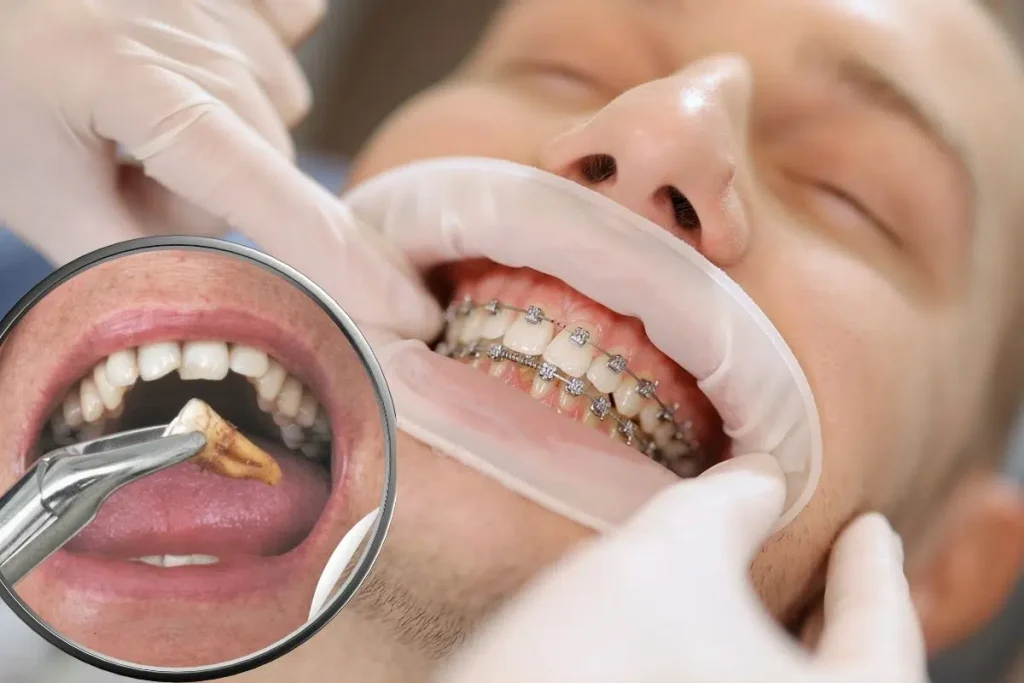
One of the most important things to understand is that braces move teeth, but they do not make teeth smaller. They also do not magically create extra room in the jaw. If a person has too many teeth crowded into a small space, the orthodontist has to find a way to make room before everything can be aligned properly.
Think of it like trying to arrange too many books on a short shelf. You can shift them around, but if there are simply too many books for the space available, something has to change. In orthodontics, removing one or more teeth can create that needed space so the remaining teeth can move into better positions.
Severe Crowding Is a Common Reason
One of the main reasons teeth are removed for braces is severe crowding. Crowding happens when the jaw does not have enough room for all the permanent teeth to fit correctly. As a result, teeth can overlap, twist, stick out, or grow in unusual positions.
When crowding is mild, orthodontists may be able to fix it without extractions. But when the crowding is more serious, removing teeth may be the safest and most effective way to make enough space. Without that space, the orthodontist may not be able to align the teeth properly, or the teeth may end up being pushed too far outward, which can affect both appearance and gum health.
Protruding Front Teeth May Need More Room
Another reason for extraction is when the front teeth stick out too far. Some patients have upper front teeth that project forward noticeably. Others may have lips that do not close comfortably because the front teeth are too prominent.
In these cases, braces alone may not be enough unless there is room to move those teeth backward. Removing teeth can create the space needed to pull the front teeth into a more balanced position. This can improve both the smile and the facial profile.
For some people, this also reduces the risk of injury to front teeth that are sticking out too much, especially in children and teenagers who are active in sports or physical activities.
Tooth Removal Can Help Fix Bite Problems
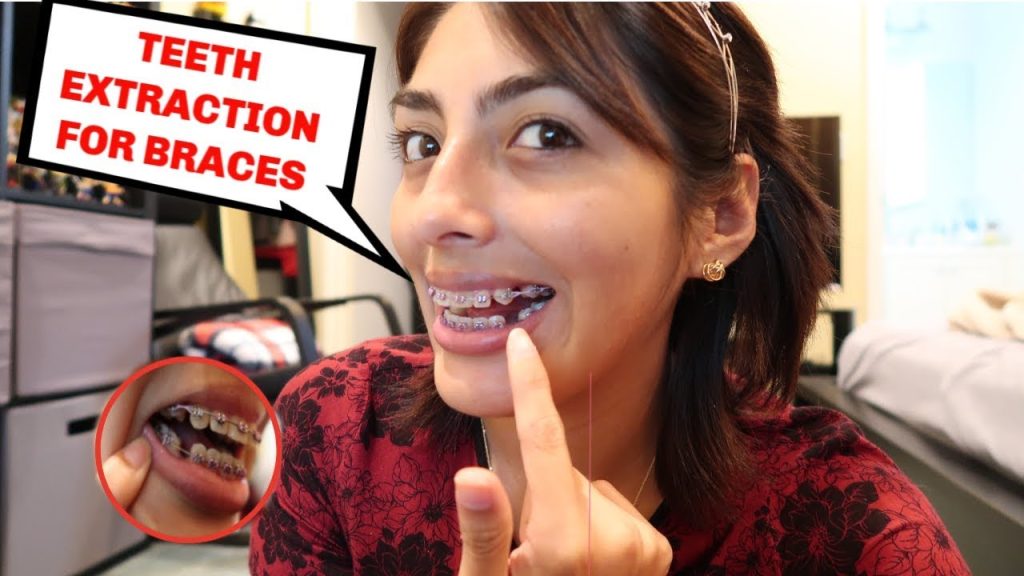
Braces are not only about making teeth look straight. They are also used to correct the bite, which means how the upper and lower teeth fit together when the mouth closes.
If the bite is off, it can lead to chewing problems, uneven tooth wear, jaw discomfort, and other issues over time. In some cases, tooth extraction helps create the space needed to move teeth into the correct bite relationship.
For example, a patient may have an overbite, overjet, or another kind of misalignment where the teeth cannot be guided into the right position without first removing some teeth. In such cases, extraction becomes part of a bigger plan to improve both function and appearance.
Not Everyone With Braces Needs Teeth Removed
A lot of people assume that getting braces automatically means having teeth removed, but that is not true. Many orthodontic patients complete treatment without any extractions at all.
Modern orthodontics offers different methods to create space depending on the case. Sometimes an orthodontist can slightly widen the dental arch. In other cases, they may use techniques such as shaving a tiny amount of enamel between certain teeth to gain small amounts of room. Some younger patients may benefit from jaw expansion if the upper jaw is too narrow.
So if one person had extractions before braces and another person did not, that does not mean one treatment was better than the other. It simply means their mouths, teeth, and orthodontic needs were different.
Why Alternatives Do Not Always Work
People often ask why dentists cannot just use alternatives instead of pulling teeth. The answer is that alternatives do work in some cases, but not in all of them.
If the mouth only needs a little extra room, small adjustments may be enough. But if the crowding is severe or the front teeth need to move back significantly, those methods may not create enough space. Trying to avoid extraction in a case that clearly needs it can sometimes lead to poor results, unstable alignment, or teeth being pushed into unhealthy positions.
Orthodontists are trained to study the full picture before deciding. They look at tooth size, jaw size, facial balance, gum health, bite problems, and long-term stability before recommending any plan.
The Goal Is Not Just Straight Teeth
Many patients focus on having straight teeth, but orthodontists think beyond that. A good treatment result must also be healthy, functional, and stable.
That means the teeth should fit well together, be easy to clean, and stay in place after treatment is finished. If an orthodontist tries to fit too many teeth into too little space just to avoid extractions, the final result may not last well. Teeth may shift back more easily, or the gums and bone may not support the new positions properly.
This is why extraction decisions are usually based on long-term success, not just short-term appearance.
Which Teeth Are Usually Removed?
When extractions are recommended for braces, orthodontists often choose premolars. These are the teeth located between the canines and molars. Premolars are commonly selected because removing them can create useful space in the middle of the arch without affecting the appearance of the smile as much as removing front teeth would.
The exact teeth removed depend on the patient’s bite and treatment plan. In some cases, only upper teeth are removed. In others, both upper and lower teeth may need extraction. It all depends on the orthodontic problem being corrected.
Does Removing Teeth Change Your Face?
This is one of the biggest fears people have, and it is understandable. Many patients worry that removing teeth will ruin their face shape or make their smile look unnatural.
In a properly planned orthodontic case, the purpose of extraction is to improve balance, not damage it. Orthodontists use X-rays, scans, photographs, and measurements to decide whether extractions will help the face and bite look better overall.
When done for the right reasons, extractions can actually improve lip posture, reduce excessive protrusion, and create a more harmonious facial appearance. Problems usually happen only when treatment is poorly planned, which is why choosing a qualified orthodontist matters so much.
Who Decides If Teeth Should Be Removed?
Usually, the orthodontist makes this decision after examining the patient carefully. They may take X-rays, digital scans, photos, and impressions to understand the position of the teeth and jaws.
The actual removal of the teeth may be done by a general dentist or an oral surgeon, depending on how simple or complex the extraction is. But the orthodontist is the one who usually decides whether removal is needed as part of the braces plan.
That means if you are told teeth need to come out, it is perfectly reasonable to ask why, how many, and what the alternative options are.
Questions You Should Ask Before Agreeing
If your orthodontist recommends extractions for braces, do not be afraid to ask questions. This is your mouth, and you deserve to understand the treatment plan.
You can ask:
- Why do these teeth need to be removed?
- What problem will extraction solve?
- Are there non-extraction options in my case?
- What difference will extractions make in my final result?
- What happens if I choose not to remove teeth?
A good orthodontist should be able to explain the reasoning clearly in simple language. If you still feel unsure, getting a second opinion from another qualified orthodontist is also a smart option.
Final Thoughts
Dentists and orthodontists remove teeth for braces mainly to create space when the mouth is too crowded or when the bite needs correction that cannot be achieved in any other safe way. It is not done in every case, and it is not something that should be recommended without careful planning.
For some patients, tooth removal is the best path to a healthy, straight, and stable smile. For others, braces can work perfectly well without any extractions. The right answer depends on the person, their bite, their jaw shape, and the position of their teeth.
So if your orthodontist suggests removing teeth before braces, it does not automatically mean something is wrong. In many cases, it simply means they are trying to create the best possible foundation for a result that looks good, works well, and lasts for years.

 and Innovation by