
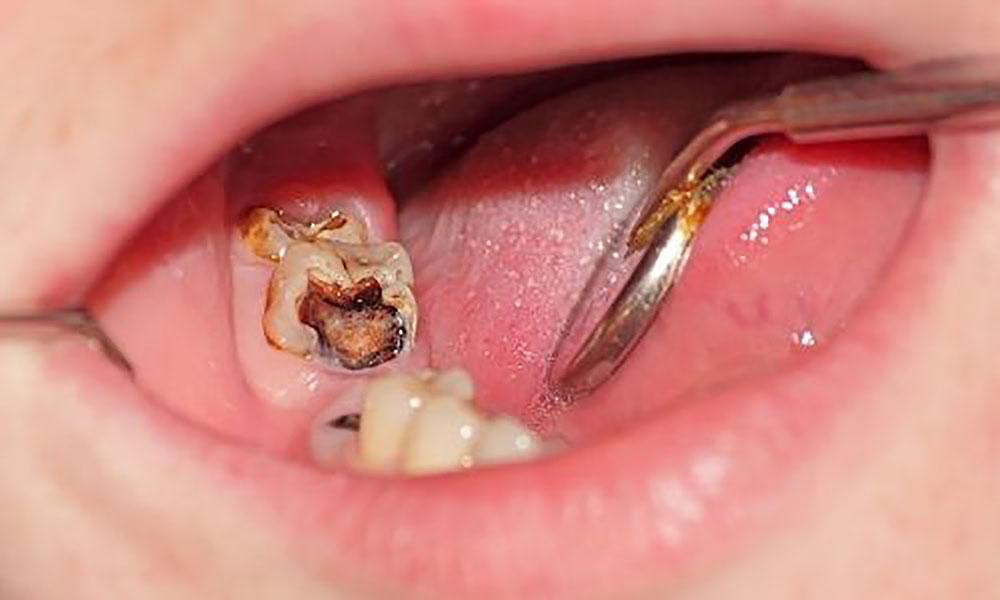
A toothache can start as mild sensitivity and quickly turn into sharp, throbbing, or constant pain. For many people, tooth pain appears suddenly while eating, drinking something hot or cold, or even while trying to sleep. If you are dealing with a toothache in G8 Islamabad, it is important to know when the pain can wait and when you should call a dentist as soon as possible.
Tooth pain is not something to ignore. It is often a sign that something is wrong inside the tooth, around the gums, or in the surrounding jaw area. The cause may be a cavity, infection, cracked tooth, gum problem, wisdom tooth issue, damaged filling, or dental abscess. The sooner a dentist checks the problem, the easier it may be to treat and control.
If you live or work near G-8 Markaz, Islamabad, Smile and Skin Co. can be a convenient local option for dental care, guidance, and treatment planning.
Why Does a Toothache Happen?
A toothache can happen for many reasons. Some causes are minor in the beginning, while others need urgent attention. One of the most common causes is tooth decay. When decay damages the outer layer of the tooth and reaches deeper areas, it can cause sensitivity, pain, or infection.
Another common cause is gum inflammation. Swollen or bleeding gums may make the teeth feel sore, especially while brushing or chewing. A cracked or chipped tooth can also trigger pain because the inner layers of the tooth may become exposed. In some cases, an old filling or crown may become loose, allowing bacteria to enter and irritate the tooth.
Wisdom teeth can also cause toothache, especially if they are impacted, partially erupted, or creating pressure at the back of the mouth. For some patients, tooth pain may come from grinding, jaw clenching, sinus pressure, or bite problems.
Because toothache can have many causes, a proper dental examination is the best way to find out what is really happening.
When Should You Call a Dentist for Toothache?

You should call a dentist if your toothache lasts more than one or two days, keeps coming back, or becomes worse over time. Pain that does not settle is usually a sign that the underlying problem needs professional care.
You should also contact a dentist if the pain is affecting your sleep, work, eating, or daily routine. Severe pain is not normal, especially if it does not improve with basic care. A dentist can examine the tooth, identify the cause, and recommend the right treatment.
If you are searching for a dentist in G8 Islamabad because of tooth pain, do not wait until the discomfort becomes unbearable. Early treatment can help prevent the condition from becoming more serious.
Signs Your Toothache May Be Urgent
Some toothache symptoms need faster attention. Call a dentist promptly if you notice any of the following:
Severe or constant tooth pain
Swelling in the gums, jaw, or face
Pain when opening your mouth
Pain while chewing or biting
A broken, cracked, or knocked-out tooth
Pus, bad taste, or signs of infection
Fever along with dental pain
Bleeding that does not stop
A loose crown, bridge, or filling causing pain
Tooth pain after an injury or accident
Swelling is especially important. It may suggest infection, and dental infections should not be ignored. If swelling spreads, or if you have difficulty breathing, difficulty swallowing, or serious facial swelling, seek urgent medical help immediately.
Can a Toothache Go Away on Its Own?
Sometimes tooth pain may reduce for a short time, but that does not always mean the problem is gone. Pain can come and go when a cavity, cracked tooth, or infection is developing. In some cases, the nerve inside the tooth may become damaged, and the pain may temporarily reduce even though the infection remains.
This is why it is risky to judge the seriousness of a dental problem by pain alone. A dental checkup can help confirm whether the tooth is healthy, infected, decayed, cracked, or in need of treatment.
If you had pain yesterday and feel better today, it is still wise to schedule a dental visit, especially if the pain was strong, repeated, or linked with swelling or sensitivity.
What a Dentist May Check During Your Visit
When you visit a dentist for toothache, the first step is usually a discussion about your symptoms. The dentist may ask when the pain started, where it is located, what triggers it, and whether it feels sharp, dull, throbbing, or constant.
The dentist may then examine your teeth, gums, bite, and affected area. In some cases, an X-ray may be recommended to check the root, bone, wisdom teeth, or hidden decay between teeth. This helps the dentist understand the exact cause of the pain.
After the examination, the dentist may recommend treatment such as a filling, cleaning, root canal treatment, crown, gum treatment, wisdom tooth care, or extraction, depending on the diagnosis. The right treatment depends on the condition of the tooth and the severity of the problem.
Toothache and Dental Infection
A dental infection can become painful and serious if left untreated. Signs may include swelling, throbbing pain, pus, bad taste in the mouth, fever, or tenderness around the tooth. An abscess may form when infection collects around the root or gum area.
Painkillers may reduce discomfort temporarily, but they do not remove the cause of infection. A dentist needs to assess the tooth and provide proper treatment. Delaying care may allow the infection to spread or damage nearby tissues.
If you suspect an infection, call a dentist quickly. Do not try to drain swelling yourself, place tablets directly on the gum, or rely only on home remedies.
What You Can Do While Waiting for Your Appointment
While waiting to see a dentist, you can take simple steps to reduce discomfort. Rinse your mouth gently with warm salt water. Keep the area clean by brushing carefully. Avoid very hot, cold, sweet, or hard foods if they trigger pain. Try not to chew on the painful side.
If you use pain relief medicine, follow the instructions on the packaging or speak with a healthcare professional if you are unsure. Do not place aspirin or any tablet directly against the tooth or gum because it may irritate the tissue.
These steps may help you feel more comfortable, but they are not a replacement for dental treatment.
Why Choose Smile and Skin Co. in G8 Islamabad?
Smile and Skin Co. is located in G-8 Markaz, making it a convenient choice for people searching for a dentist near G8 Islamabad, G-8 Markaz, G-9, G-7, Blue Area, or nearby sectors. The clinic focuses on professional dental care, patient comfort, and clear treatment guidance.
Whether your toothache is mild, severe, sudden, or recurring, the most important step is to find the cause. A timely dental visit can help protect your natural teeth, reduce pain, and prevent more complicated dental problems.
Do Not Ignore Tooth Pain
A toothache is your body’s way of telling you that something needs attention. If your pain lasts more than a day or two, becomes severe, affects your sleep, or comes with swelling, call a dentist as soon as possible.
If you are searching online for “toothache in G8 Islamabad” or “dentist near me in G-8 Markaz,” Smile and Skin Co. can help you take the next step toward relief and better oral health.
For tooth pain, gum swelling, broken teeth, sensitivity, or urgent dental concerns, contact Smile and Skin Co. and ask about appointment availability. Quick action today can save you from bigger dental problems tomorrow.

 and Innovation by