

Have you ever taken a sip of hot tea or enjoyed a cold drink and suddenly felt a sharp pain in your tooth? This sudden discomfort is known as tooth sensitivity, and while it may seem like a minor issue, it can sometimes indicate an underlying dental problem.
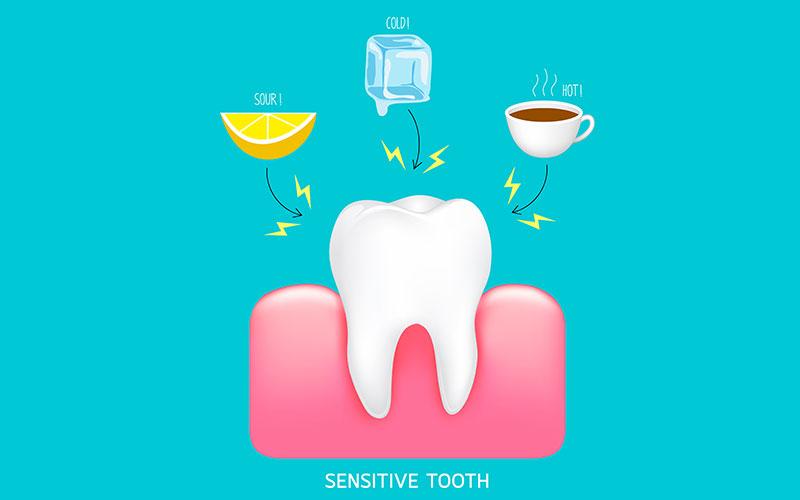
Tooth sensitivity occurs when the protective layers of your teeth become weakened, exposing the inner layer called dentin. When exposed dentin comes in contact with hot, cold, sweet, or acidic foods, it can trigger a painful sensation.
If you frequently avoid your favorite foods because of tooth sensitivity, it may be time to understand the cause and seek professional dental advice.
Common Signs of Tooth Sensitivity
1. Sharp Pain When Drinking Hot Beverages
Many people notice sensitivity while drinking hot tea, coffee, or eating warm foods. A quick, sharp pain after exposure to heat may be a sign that your tooth nerves are reacting to temperature changes.
Persistent sensitivity should not be ignored because it may be linked to issues such as enamel wear, cavities, or other dental concerns.
2. Sudden Pain From Cold Foods and Drinks
Ice cream, chilled drinks, or cold water can trigger discomfort in sensitive teeth. This usually happens when the enamel becomes thinner or gums recede, exposing areas that are more sensitive to temperature changes.
If cold sensitivity happens regularly, a dental examination can help identify the exact cause.
3. Sensitivity While Brushing or Flossing
Some people experience a sudden painful sensation while brushing, especially around certain teeth. This can happen because of exposed tooth roots, worn enamel, gum problems, or improper brushing habits.
Using excessive force while brushing can gradually damage protective tooth surfaces and increase sensitivity.
4. Pain That Continues After Temperature Exposure
Normal sensitivity usually lasts only a few seconds. However, if pain continues for a longer time after consuming hot or cold items, it may indicate a deeper dental issue that requires professional evaluation.
What Causes Teeth Sensitivity?
Several factors can lead to sensitive teeth, including:
Worn Tooth Enamel
The enamel is the protective outer layer of your teeth. When it becomes damaged or thinner, the sensitive inner layers may become exposed.
Gum Recession
When gums move away from the teeth, the roots may become exposed, making them more sensitive.
Tooth Decay or Cavities
Cavities can allow temperature changes to reach deeper parts of the tooth, causing discomfort.
Cracked or Damaged Teeth
Small cracks can allow hot and cold sensations to affect the inner tooth structures.
How Can a Dentist Help With Sensitive Teeth?
The right treatment depends on the reason behind your sensitivity. A dentist may recommend treatments such as:
- Fluoride treatments to strengthen enamel
- Desensitizing treatments
- Dental bonding for exposed areas
- Treatment for cavities or damaged teeth
- Root canal treatment if the nerve is affected
A professional examination helps identify whether sensitivity is a simple issue or a sign of a more serious dental condition.
Tips to Reduce Tooth Sensitivity at Home
You can help protect your teeth by:
- Using a soft-bristle toothbrush
- Avoiding aggressive brushing
- Maintaining regular brushing and flossing habits
- Limiting excessive acidic foods and drinks
- Scheduling regular dental check-ups
However, home care should not replace professional advice if sensitivity continues.
Don’t Let Tooth Sensitivity Control Your Daily Life
Whether you experience pain from hot tea, cold drinks, or your favorite desserts, ongoing tooth sensitivity deserves attention. Early diagnosis can help prevent small problems from becoming bigger dental concerns.
At Smile & Skin Co., professional dental care is focused on identifying the cause of your discomfort and providing effective solutions for a healthier, more comfortable smile.
Book your dental consultation today and take the first step toward pain-free teeth.
Visit: https://smileandskinco.com/

 and Innovation by