
Losing a tooth can affect much more than the appearance of your smile. Missing teeth may make eating uncomfortable, affect the way you speak, and cause neighboring teeth to gradually shift from their natural positions. For people looking for a long-term way to replace missing teeth, dental implants have become an increasingly popular treatment option.
If you are considering dental implants in G-8 Islamabad, understanding how the treatment works can help you make a more informed decision. From the initial examination to placement of the final tooth, dental implant treatment usually involves several carefully planned stages.
This guide explains what dental implants are, their potential benefits, who may be suitable for treatment, and what you can expect during the procedure.
What Is a Dental Implant?
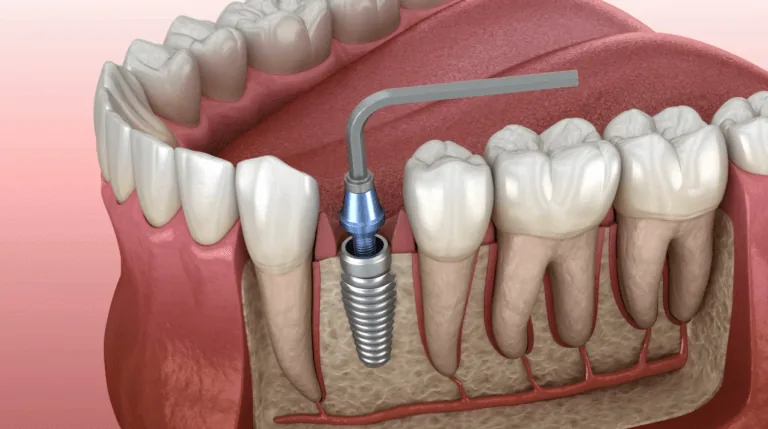
A dental implant is a small artificial tooth root that is placed into the jawbone to replace the root of a missing natural tooth. Most modern dental implants are made from biocompatible materials such as titanium.
Once the implant has integrated with the surrounding bone, it can provide support for a replacement tooth called a dental crown.
A typical implant restoration consists of three main parts:
- Implant: The artificial root placed inside the jawbone.
- Abutment: A connector attached to the implant.
- Dental crown: The visible artificial tooth placed over the abutment.
Depending on a patient’s needs, dental implants may be used to replace one missing tooth, several missing teeth, or to provide additional support for certain types of dentures.
Why Replace a Missing Tooth?
Some people assume that losing a back tooth is not a major concern because it cannot easily be seen. However, missing teeth can potentially affect overall oral function.
After a tooth is lost, nearby teeth may gradually move into the empty space. Changes in the bite can make chewing less comfortable and may make some areas more difficult to clean.
The jawbone in the area of a missing tooth can also gradually change because it no longer receives stimulation from the natural tooth root.
Replacing a missing tooth can therefore be important for both appearance and oral function.
What Are the Benefits of Dental Implants?
Dental implants offer several potential advantages when they are appropriate for the patient.
Natural-Looking Appearance
A custom dental crown can be designed to match the size, shape, and shade of surrounding teeth. This can make an implant-supported tooth blend naturally with the rest of the smile.
Improved Chewing
A missing tooth can make biting and chewing certain foods more difficult. Because an implant is anchored in the jawbone, it can provide stable support for the replacement tooth once healing is complete.
No Need to Prepare Healthy Neighboring Teeth
A traditional dental bridge may require neighboring teeth to support the replacement tooth. A single dental implant can often replace a missing tooth without relying on adjacent teeth for support.
Greater Stability
Unlike removable tooth replacements, an implant-supported tooth is fixed in place. Patients do not normally remove a single implant crown for cleaning or sleeping.
Helps Maintain the Jawbone
The presence of an implant may help provide stimulation to the jawbone around the area where the natural tooth has been lost.
Improved Confidence
Replacing a visible missing tooth can also help people feel more comfortable while smiling, speaking, eating, and interacting socially.
Who Is a Good Candidate for Dental Implants?
Not everyone who has a missing tooth is automatically suitable for implant treatment.
Before recommending a dental implant, your dentist will normally assess factors such as:
- The health of your teeth and gums
- Amount and quality of available jawbone
- Location of the missing tooth
- Oral hygiene
- Medical history
- Smoking habits
- Existing dental infections
- Overall treatment goals
Healthy gums are particularly important because gum disease can affect the tissues surrounding an implant.
Some medical conditions or medications may also influence treatment planning and healing. This does not necessarily mean that implants are impossible, but your dentist needs a complete medical history before making a recommendation.
What Is the Dental Implant Procedure?
Patients searching for dental implants in G-8 Islamabad often want to know whether implant treatment can be completed in one visit.
In many cases, dental implant treatment involves several stages.
1. Dental Examination and Consultation
The first stage is a detailed dental assessment.
Your dentist will examine your teeth, gums, bite, and the area where the tooth is missing. Dental imaging may be recommended to evaluate the jawbone and nearby anatomical structures.
This information helps determine whether an implant is appropriate and where it should be positioned.
Your dentist should also discuss available alternatives, expected treatment stages, possible risks, approximate healing periods, and costs before treatment begins.
2. Treatment Planning
Every patient’s mouth is different, so implant treatment should be individually planned.
Factors considered during planning may include the number of missing teeth, bone availability, gum health, appearance, and the type of final restoration required.
If there is insufficient bone in the area, additional procedures such as bone grafting may sometimes be discussed.
3. Implant Placement
During implant placement, the area is normally numbed with local anesthesia.
The dentist or implant clinician creates a carefully prepared space in the jawbone and places the implant into the planned position.
After placement, the area is allowed to heal.
4. Healing and Osseointegration
An important part of implant treatment is a biological process known as osseointegration.
This is when the surrounding bone gradually integrates with the surface of the dental implant, helping provide a stable foundation for the replacement tooth.
Healing time varies between patients and depends on factors such as implant location, bone condition, general health, and whether additional procedures were required.
5. Abutment and Crown Placement
Once the dentist confirms that the implant has healed sufficiently, an abutment can be attached.
Measurements or digital impressions may then be taken so that the final dental crown can be created.
The crown is designed to fit your bite while matching your surrounding teeth as naturally as possible.
Once fitted, your dentist will check the appearance, bite, and comfort.
Is Dental Implant Treatment Painful?
Concern about pain is one of the most common questions patients have before implant treatment.
Local anesthesia is generally used during implant placement to numb the treatment area. This means patients should not normally feel sharp pain during the surgical procedure, although pressure or movement may be noticeable.
Some swelling, tenderness, or discomfort can occur after treatment as the area heals.
Your dentist will provide instructions on managing discomfort and caring for the surgical area. Medication should only be used according to your dentist’s or doctor’s instructions.
If pain becomes severe, swelling increases significantly, or you develop symptoms that concern you, contact your dental professional.
How Long Does a Dental Implant Take?
There is no single treatment timeline that applies to every patient.
Some patients require only straightforward implant placement, while others may require extraction, bone grafting, gum treatment, or additional healing before the final crown can be fitted.
For this reason, it is better to receive an individualized treatment estimate after examination rather than relying on a standard timeline found online.
How Do You Care for Dental Implants?
Dental implants still require regular oral care.
Although an implant itself cannot develop a cavity in the same way as a natural tooth, the gums and supporting tissues around it can develop problems if plaque accumulates.
Good implant care generally includes:
- Brushing twice daily
- Cleaning carefully between teeth
- Following your dentist’s recommended cleaning technique
- Attending routine dental examinations
- Having professional cleaning when advised
- Avoiding smoking
- Reporting unusual movement, discomfort, bleeding, or swelling
Good oral hygiene and regular dental monitoring are important for protecting both implants and natural teeth.
Dental Implant, Bridge or Denture: Which Is Better?
Dental implants are not the only way to replace missing teeth.
Depending on your circumstances, alternatives may include a dental bridge or removable denture.
Each treatment has its advantages, limitations, costs, and maintenance requirements. The most appropriate option depends on factors such as the number of missing teeth, health of neighboring teeth, bone availability, budget, and personal preferences.
A dental consultation allows you to compare these options before deciding on treatment.
Looking for Dental Implants in G-8 Islamabad?
If you have lost one or more teeth, replacing them may improve both the appearance and function of your smile. Dental implants can provide a stable and natural-looking tooth replacement option for suitable patients, but careful assessment and treatment planning are essential.
If you are considering dental implants in G-8 Islamabad, arrange a consultation with Smile and Skin Co. A dental examination can help determine the condition of your teeth, gums, and jawbone and whether an implant or another tooth-replacement option may be appropriate for you.
Rather than leaving a missing tooth untreated, discussing your options early can help you understand the available treatments and choose an approach that supports your long-term oral health.
Book a dental consultation with Smile and Skin Co. in G-8 Islamabad to discuss your missing tooth and find out which replacement option is right for you.

 and Innovation by